
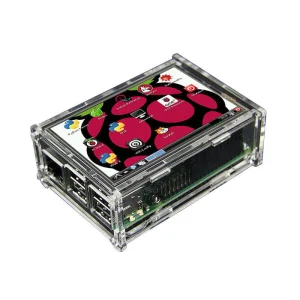
Engineered for high mechanical stability, 92.8% optical transmission, and compliance with EU REACH/RoHS criteria.
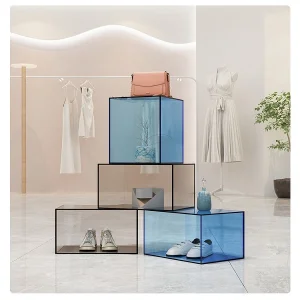


Analyzing how Scandinavian minimalism, strict environmental governance, and tech-driven industrial sectors govern acrylic procurement in Sweden.
Sweden’s flagship retail hubs—from Stockholm’s Bibliotekstan luxury district to retail centers across Gothenburg and Malmö—demand visual merchandising displays defined by uncompromised clarity, invisible bonding, and minimalist geometric lines. Swedish department stores and brand flagships avoid bulky metal or low-grade plastics, specifying premium polymethyl methacrylate (PMMA) that elevates merchandise aesthetics without visual distortion.
As home to global industrial engineering giants and a vibrant hardware IoT ecosystem centered in Kista Science City, Sweden requires robust, dielectric, and optically pristine enclosures for motherboard testing, industrial human-machine interfaces (HMIs), and edge-computing modules. Standard off-the-shelf plastic cases fail to provide the dimensional stability and customization required by Swedish hardware innovators.
Swedish enterprise buyers adhere to stringent national climate goals and European Union mandates, including the Swedish Environmental Code (Miljöbalken) and comprehensive EU REACH and RoHS regulations. Acrylic suppliers must deliver chemically pure PMMA free from heavy-metal plasticizers and restricted phthalates, accompanied by verifiable supply chain documentation and recyclable monomer pathways.
Understanding the molecular distinctions between Cast and Extruded Acrylic is fundamental for Swedish procurement managers evaluating optical lifespan, structural rigidity, and tensile durability.
The global polymethyl methacrylate sheet and custom enclosure industry is undergoing rapid technical evolution. Modern architectural and technical enclosures increasingly demand high-molecular-weight cell-cast acrylic over low-cost extruded sheets. In the Swedish climate, which spans freezing winter temperatures to heated indoor retail environments, thermal expansion and internal stress management are critical design determinants.
Cell-cast acrylic panels undergo batch polymerization between two sheets of optical glass, producing long, cross-linked polymer chains. This makes the material inherently resistant to crazing when exposed to alcohol-based disinfectants or volatile organic cleaning solutions commonly used in Swedish healthcare, museum, and commercial environments.
| Engineering Property | Cell-Cast PMMA (Recommended) | Extruded PMMA (Standard) |
|---|---|---|
| Optical Clarity / Transmission | 92.8% – 93.2% (Superior) | 91.5% – 92.0% |
| Thickness Tolerance (ISO 7823-1) | ±(0.4 mm + 0.1 x thickness) | ±0.1 mm to ±0.2 mm (Tight) |
| Laser Engraving Finish | Crisp, satin frosted white contrast | Glossy, shallow relief melt |
| Chemical Resistance (Ethanol) | High resistance; low stress crazing | Prone to micro-cracking / stress crazing |
| Solvent Bonding Clarity | Completely transparent, bubble-free | Acceptable; potential joint capillary bleed |
| Primary Application in Sweden | Luxury showcases, museums, lab vitrines | Mass POS menu cards, simple literature stands |
Combining the scale economics of our industrial fabrication center in Jiangsu with rigorous European quality assurance standards.
Every Swedish CAD drawing (.DWG, .DXF, .STEP) or vector diagram (.AI, .PDF) undergoes thorough Design-for-Manufacturing (DFM) verification by our technical engineering department. We evaluate draft angles, stress concentrations on routed joints, and calculate sheet nesting to maximize raw material yield, passing cost savings directly to wholesale buyers.
Located in the Yangtze River Delta industrial belt, our manufacturing plant possesses immediate upstream access to premium monomer suppliers and automated tool manufacturers. Our facility features automated multi-head CO2 laser stations, high-speed 5-axis CNC routers, and heavy-duty diamond edge polishing lines running at high throughput without sacrificing edge clarity.
Exporting fragile, optically sensitive PMMA to Nordic ports (Port of Gothenburg, Port of Stockholm) requires specialized packaging engineering. We utilize multi-layer peelable PE/kraft masking films, corner-impact foam dampeners, honeycombed master cartons, and fumigated solid timber export crates that survive trans-oceanic container handling.
From Nordic retail boutiques to institutional archives and consumer hardware innovations, our cases are engineered for demanding Scandinavian commercial settings.
Swedish visual directors prioritize non-intrusive presentation where the product stands alone. Our crystal-clear 5-sided vitrines, hexagonal multi-tier platforms, and magnetic locking acrylic dustboxes integrate seamlessly into department store concessions (such as NK Nordiska Kompaniet and Åhléns), providing museum-level item focus with zero optical tint.
Sweden boasts world-renowned cultural institutions—such as the Vasa Museum, Skansen, and Moderna Museet. We produce archival-grade UV-filtering PMMA vitrines that block up to 99% of damaging ultraviolet radiation wavelengths (280–380 nm), protecting organic textiles, rare historical coins, and delicate artifacts from irreversible photodegradation.
Serving biomedical clusters in Lund’s Medicon Village and Uppsala Science Park, our custom-machined acrylic glove boxes, laboratory chambers, and centrifuge shields offer outstanding clarity, high chemical resistance, and precise rubber gasket seating channels to maintain sanitary operational conditions.
How sustainable polymers, surface functionalization, and smart retail integration are redefining technical acrylic cases for 2025 and beyond.
Unlike many other synthetic polymers, polymethyl methacrylate is uniquely suited to thermal depolymerization back into its original methyl methacrylate (MMA) monomer with minimal loss of mechanical properties. As Swedish procurement teams demand verifiable circular economy credentials, our factory is expanding adoption of 100% depolymerized rPMMA sheet materials, providing up to a 70% lower cradle-to-gate carbon footprint while matching the clarity and strength of virgin sheets.
Surface vulnerability to micro-scratching has historically been the sole drawback of clear polymers. We now offer optical-grade siloxane hard-coatings that increase surface scratch resistance from standard acrylic 2H pencil hardness up to 5H–6H pencil hardness. Furthermore, we apply hydrophobic anti-fingerprint coatings and double-sided anti-reflective (AR) sputter coatings that reduce surface glare reflections from 8% down to under 1% for museum cases.
A comprehensive reference guide designed for Scandinavian category managers, industrial sourcing specialists, and retail inventory heads.
Insist upon 100% virgin MMA raw resin without regrind impurities, preventing yellowing and UV degradation under harsh indoor retail lighting.
Verify that joints utilize chemically welded solvent bonding or UV-polymerized adhesives that fuse polymer chains rather than simple surface adhesives that whiten or crack over time.
Ensure CNC router cutters and laser heads maintain ±0.05 mm tolerances, critical for interlocking slot designs, pegboard tabs, and motherboard standoffs.
Confirm packaging incorporates custom EPE pearl-foam corner protectors, dense honeycomb internal cushioning, and fumigated wood frames for marine freight.
Direct technical answers addressing lead times, shipping logistics, EU compliance standards, and bespoke customization.
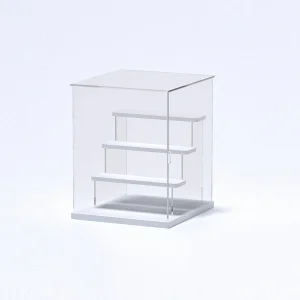
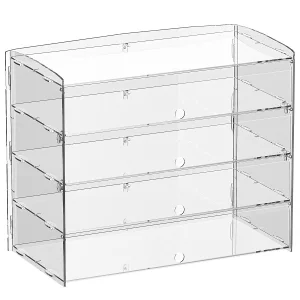
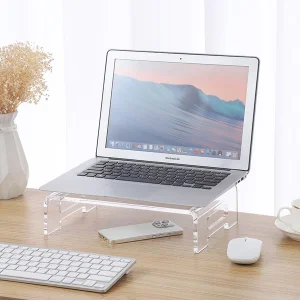
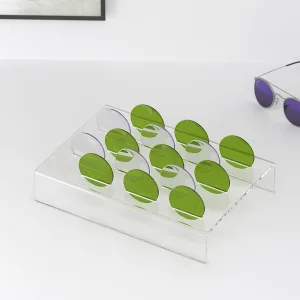
Explore our complete wholesale product catalog engineered for sports memorabilia, commercial offices, collectibles, and retail displays.
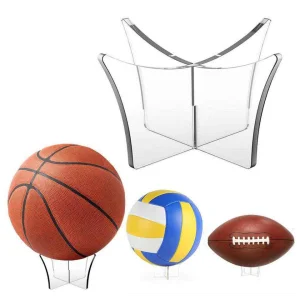
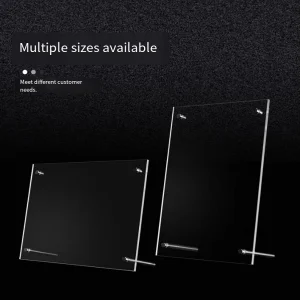


Send your CAD models, bill of quantities, or bespoke showcase requirements directly to our engineering division. Receive an actionable DFM review and comprehensive DDP Gothenburg/Stockholm quote within 24 hours.
Send Inquiry Now