Engineered for optical transparency, structural durability, and high-impact retail presentation across luxury boutiques, sports venues, and specialized retail chains.
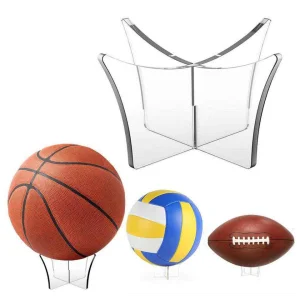
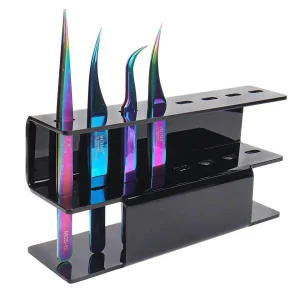
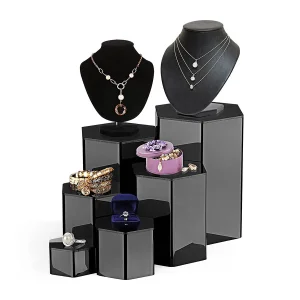
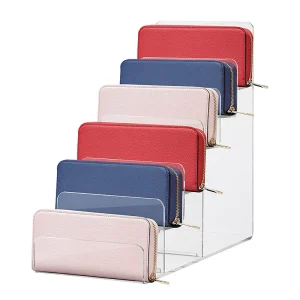
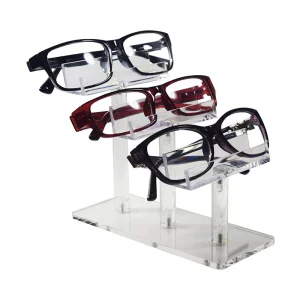

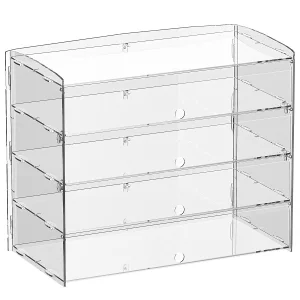
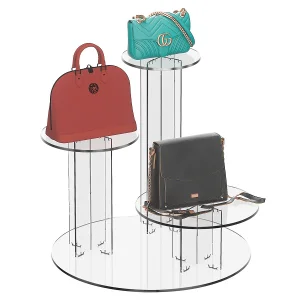
In modern visual merchandising, display substrates must deliver maximum product focus, structural safety, and seamless brand assimilation without visual chromatic aberration.
Unlike conventional float glass which exhibits an intrusive greenish tint due to iron oxide impurities, virgin methyl methacrylate (MMA) polymer matrices achieve complete spectral neutrality with 92.5% to 93% visible light transmission, matching pure optical crystal.
This optical purity guarantees that delicate hues in luxury cosmetics, fine gemstones, and consumer electronic finishes are represented without chromatic deviation under retail store illumination.
Cast PMMA possesses an impact resistance roughly 10 to 17 times higher than untempered float glass while weighing half as much (density 1.19 g/cm³ versus 2.5 g/cm³). This drastically lowers static structural loads on floor fixtures.
In high-density commercial retail spaces, acrylic eliminates catastrophic shattering risks, safeguarding consumers and store employees while minimizing expensive transport breakage across regional supply chains.
Polymethyl methacrylate features an isotropic molecular matrix that supports high-speed CO2 laser ablation, sub-millimeter CNC routing, and heat-line bending without internal micro-fissuring or mechanical fatigue.
When bonded with solvent-based capillary cements or reactive UV-cured adhesives, acrylic chains inter-diffuse across the joint, resulting in an optically invisible, monolithic weld as strong as the virgin substrate itself.
| Technical Attribute | Cell Cast Acrylic (PMMA) | Extruded Acrylic (PMMA) | Float Glass (Standard) | Polycarbonate (PC) |
|---|---|---|---|---|
| Visible Light Transmittance | 92.8% (Crystal Neutral) | 92.0% (High Clarity) | 86.0% - 89.0% (Green Tint) | 87.0% - 89.0% (Slight Haze) |
| Specific Gravity (Weight) | 1.19 g/cm³ | 1.19 g/cm³ | 2.50 g/cm³ (Heavy) | 1.20 g/cm³ |
| Impact Resistance | 10x - 17x Glass | 8x - 12x Glass | 1x (Extremely Brittle) | 30x - 50x Glass |
| Edge Polish Optical Finish | Diamond / Flame (Glass Like) | Diamond Polished (Good) | Ground & Chamfered | Dull / Prone to Burning |
| Laser Engraving / CNC Tolerance | ±0.05 mm (Frost Finish) | ±0.10 mm (Clear Melt) | Micro-Cracking (Waterjet Only) | Poor Laser Edge (Discoloration) |
| Weatherability & UV Degradation | 10+ Years (Zero Yellowing) | 7-10 Years Stable | Completely Inert | Yellows Without UV Coatings |
How our integrated production infrastructure in Danyang, Jiangsu delivers unmatched cost-efficiency, technical agility, and reliable mass manufacturing for multinational accounts.
Located in Jiangsu's advanced polymer cluster, we source virgin methyl methacrylate directly from regional chemical synthesis bases. This avoids raw material middleman margins and secures uninterrupted sheet allocation during market fluctuations.
Our factory maintains high-output industrial laser cutters, 5-axis CNC routing workstations, automated diamond edge polishers, and multi-bed digital flatbed UV printers capable of micro-registration printing directly onto primed acrylic surfaces.
Send us your 2D DXF/DWG or 3D STEP/SolidWorks files. Our in-house engineering squad conducts comprehensive Design for Manufacturability reviews, optimizing interlocking tab geometries and nesting yields to eliminate material waste.
By internalizing sheet casting, CNC fabrication, chemical bonding, screen/UV printing, and drop-tested export crating under one roof, international buyers reduce procurement overhead by 30% to 45% compared to local Western fabricators.
Managing multi-store retail rollouts demands strict compliance verification, robust transit packaging, and end-to-end quality validation protocols.
Our materials comply with EU REACH (EC 1907/2006) for Substances of Very High Concern (SVHC), RoHS 3 directives, and US FDA 21 CFR 177.1010 for indirect food contact. We support comprehensive chemical migration testing and factory audits (BSCI, ISO 9001:2015).
High-cube ocean shipping demands low volumetric weight. Our industrial designers develop knock-down and interlocking mechanical joinery with concealed fasteners, reducing freight volume by up to 60% compared to fully glued rigid structures.
Every shipment features dual-surface poly masking or co-extruded static protection film, customized high-density EPE foam cradles, heavy-duty 5-ply corrugated export cartons, and reinforced fumigated plywood pallets for direct cross-dock distribution.
Tailoring sheet chemistry, surface finishes, and structural load-bearing parameters to demanding retail, educational, and hospitality environments.
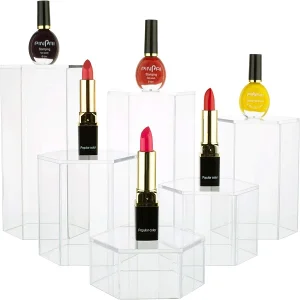
High-end makeup brands require multi-tiered cosmetic organizers, illuminated perfume glorifiers, and magnetic lipstick display modules. We deploy 15mm-30mm cast panels with crystal bevels and concealed internal LED channels to magnify high-value bottle radiance.
Interactive gadget displays require secure cable routing channels, integrated alarm mounting cavities, and scratch-resistant matte coatings. Our fixtures house smart wearables, smartphones, and audio gear with clean, minimal visual mass.
Archival preservation requires conservation-grade UV-filtering PMMA (absorbing 99% of wavelengths between 200–400 nm). We manufacture museum display vitrines with mitred, museum-grade bubble-free bonds that safeguard historical artifacts from photochemical yellowing.
Food presentation calls for NSF-compliant non-toxic surfaces. From acrylic champagne walls to bakery cases and sneeze guards, our thermoformed units combine food safety, easy alcohol-free sanitation, and structural resistance to hot buffet moisture.
Technological advancements in monomer circularity, smart retail integration, and hybrid materiality are transforming the acrylic display fabrication landscape.
Global retailers are enacting aggressive ESG mandates. Unlike non-recyclable thermoset plastics, PMMA can be thermal-depolymerized back into pure monomer (rMMA) with 98% yield recovery. We supply 100% recycled PMMA sheets that retain original optical clarity while shrinking carbon footprints by up to 70%.
Modern POP displays bridge physical touchpoints with digital intelligence. By laser-dotting or micro-etching V-groove patterns on light guide acrylic panels (LGP), we engineer edge-lit shelves that distribute uniform LED glow across the display base while housing NFC/RFID sensors for customer engagement tracking.
Monolithic acrylic stands are giving way to mixed-media fixtures combining anodized aircraft aluminum, brushed brass, natural hardwoods, and cold-rolled steel. Our engineers develop hybrid locking components that accommodate differential thermal expansion without substrate cracking.
Engineered for brand merchandising, high-density trade exhibitions, and luxury packaging applications worldwide.
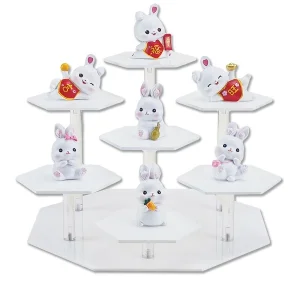




Direct answers to the most frequent engineering, material specification, quality assurance, and global freight inquiries from international sourcing managers.
