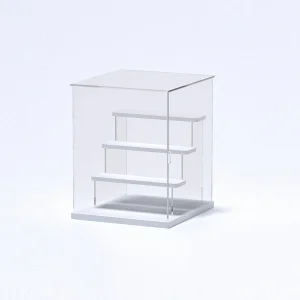
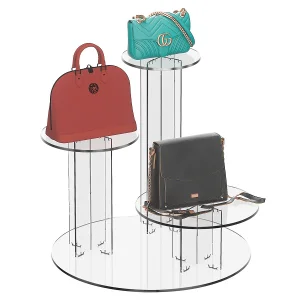
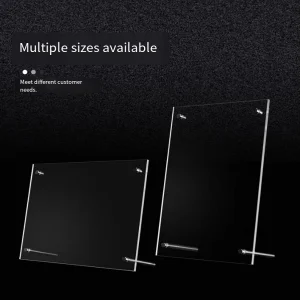
Direct-from-factory modular card holding, POS signage, and optical-grade retail containment systems engineered for global supply chains.
The international transition from brittle PVC paper laminates to engineering-grade Polymethyl Methacrylate (PMMA) acrylic cards represents a structural leap across enterprise, retail, hospitality, and fintech applications.
Global banking consortia, private clubs, and blockchain security providers increasingly migrate from conventional polyvinyl chloride (PVC) to ultra-dense acrylic substrates. Offering tactile micro-mass, scratch-resistant diamond-polished bevels, and integrated contact/contactless smart chips, acrylic card manufacturing creates unmatched physical brand equity.
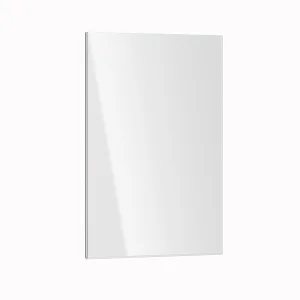
Modern physical brick-and-mortar storefronts, automotive showrooms, and international galleries deploy standardized clear acrylic pricing cards, credential placards, and modular menu stands. The optical refraction index of virgin acrylic (~1.49) matches crystalline optics without the vulnerability and weight of silicate glass.
Archival institutions require chemically inert materials that emit zero volatile organic compounds (VOCs). Virgin PMMA acrylic cards provide non-offgassing protection for artifact labels, luxury horology identification cards, and high-end numismatic display containment systems.
Engineered PMMA acrylic card products operate across distinct regional micro-climates, regulatory jurisdictions, and aesthetic demands across tier-one markets.
In the US and Canada, demand surges for shatterproof acrylic menu cards, tap-to-pay NFC badge holders, and ADA-compliant tactile tactile signage. Acrylic cards must withstand heavy commercial sanitizers without surface crazing or clouding.
Strict REACH compliance governs French, German, and Italian installations. Bespoke frosted acrylic keycards, reserve table indicators, and boutique luggage tags require diamond edge milling and RoHS-certified organic dye sublimation.
In Gulf Cooperation Council (GCC) regions, outdoor signage and exterior entrance credential cards endure ambient temperatures exceeding 48°C and elevated UV indices. Our UV-stabilized cast acrylic sheets prevent premature thermal deformation or yellowing.
Megacities throughout Singapore, Tokyo, and Seoul utilize laser-engraved acrylic employee identification and access tokens. High-velocity turnover necessitates quick-turn CNC fabrication batches with synchronized QR code serialization.
Optimizing bill-of-materials costs requires precise alignment between chemical properties and field durability demands.
| Property Parameter | Cast Acrylic (GS PMMA) | Extruded Acrylic (XT PMMA) | Polycarbonate (PC) |
|---|---|---|---|
| Light Transmission (%) | 92.8% (Maximum clarity) | 91.5% - 92.0% | 88.0% - 90.0% |
| Laser Engraving Quality | Crisp, stark white frosted contrast | Smooth gray/clear, lower contrast | Prone to thermal charring & discoloration |
| Edge Finishing Efficiency | Diamond or flame polish to mirror finish | Sensitive to solvent stress crazing | Requires labor-intensive mechanical buffing |
| Molecular Weight Rating | Very High (>1,000,000 g/mol) | Moderate (~100,000 - 150,000 g/mol) | Engineering Polymer Grade |
| Solvent / Alcohol Resistance | Superior (Tolerates brief IPA wipes) | Moderate (Prone to hairline micro-fractures) | High chemical resistance |
| Target Engineering Application | VIP RFID cards, thick display mounts | High-run menu cards, price inserts | Industrial anti-ballistic badge shells |
Operating from the industrial manufacturing heartland in Danyang, Jiangsu, Danyang Xinquan Plastic Products Co., Ltd. leverages localized supply chain integration that compresses lead times from concept to ocean container.
Direct partnerships with primary Methyl Methacrylate (MMA) synthesis plants ensure raw material cost stability. Unlike assembly-only fabricators, we buffer inventory fluctuations, securing 100% virgin PMMA pellets and cell-cast plates free of recycled yellowing fillers.
Our 30,000m² manufacturing facility hosts high-output CO₂ laser arrays, 5-axis CNC cutters, diamond edge bevelers, and dustless UV flatbed printing cleanrooms. Tight tolerances of ±0.05 mm guarantee exact dimensions for RFID embedded pockets and mechanical card holders.
Positioned within the Yangtze River Delta logistical corridor, finished orders move seamlessly through Shanghai or Ningbo deep-water ports. Anti-scratch protective films, desiccant barriers, and drop-tested honeycomb crating protect shipments against ocean transit vibrations.
Navigating cross-border polymer import protocols requires full audit-readiness and verifiable factory certifications.
Strict testing protocols verify that finished acrylic products contain zero SVHCs (Substances of Very High Concern) exceeding 0.1% w/w thresholds, ensuring unrestricted customs clearance across European Union ports of entry.
UV printing inks, decorative laminates, and adhesive curing bonds pass rigid gas chromatography tests, certifying them free of bisphenols, phthalates, and restricted heavy metal pigments for North American retail shelves.
In accordance with emerging global corporate ESG directives, Xinquan maintains closed-loop scrap recycling channels and processes chemically depolymerized recycled acrylic (rPMMA) without sacrificing optical purity.
Our multilingual engineering desk translates metric CAD drafts into western fractional specs, providing free Design for Manufacturability (DFM) reviews to prevent costly tooling and mold redesigns.
Continuous R&D investments bridge physical PMMA craftsmanship with interactive digital infrastructure and smart interfaces.
Next-generation acrylic cards integrate 13.56 MHz high-frequency NFC antennas directly between vacuum-bonded dual acrylic plates. This creates waterproof, tamper-proof credentials ideal for digital concierge services and high-security physical checkpoints.
Micro-thin hydrophobic fluoropolymer vapor deposition delivers acrylic surfaces that resist oil smudges, finger oils, and intense retail LED reflections, maintaining optical pristine clarity even under bright store spotlighting.
Moving beyond flat silk-screening, our specialized multi-pass variable-drop piezoelectric print heads build 0.4 mm tactile textures directly over acrylic surfaces, enabling Braille integration and luxury embossed styling.
Clear answers to common questions about PMMA card fabrication tolerances, material options, and international supply terms.
We manufacture acrylic cards ranging from standard 0.76 mm credit card profiles (CR80 spec) up to heavy 20 mm freestanding award blocks. While standard CR80 sizes (85.60 × 53.98 mm) are most common, our high-precision CNC routers cut any custom outline or micro-slotted geometry up to 1220 × 2440 mm sheet capacities.
Every piece retains a dual-sided, anti-static polyethylene (PE) or co-extruded paper protective liner throughout cutting and polishing. Finished cards are bundled in cleanrooms with anti-friction interleaving, sealed in vacuum moisture barrier sleeves, and packed into heavy 5-ply cartons inside export-grade wooden pallets with corner-reinforcing edge boards.
Yes. We specialize in two-layer sandwich bonding and multi-cavity CNC micro-pocket milling. We rout an internal cavity to house the microchip and copper loop antenna, then hermetically bond a covering acrylic sheet using UV-cured optical-grade acrylic adhesives to create a seamless, waterproof unit.
Rapid prototyping samples are completed in 3 to 5 business days after artwork and CAD approval. Standard production runs typically range from 500 to 50,000 units with 15 to 20 working day manufacturing windows, and rush production slots can be arranged for time-sensitive global product rollouts.
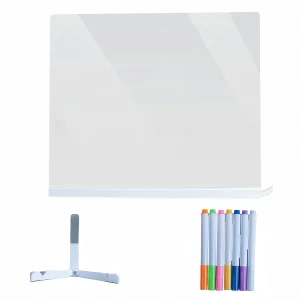
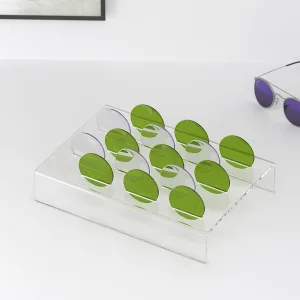
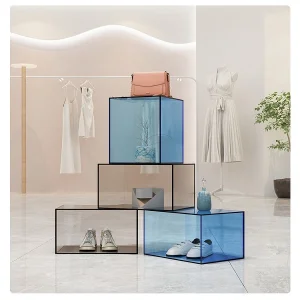
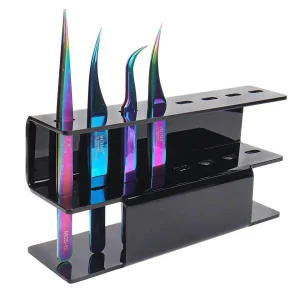
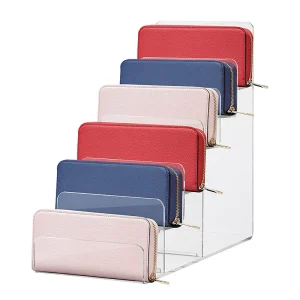
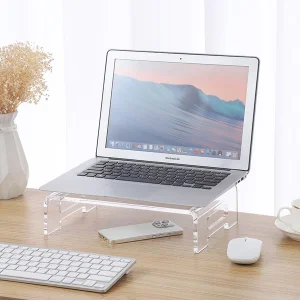
Custom display infrastructure designed to complement our core acrylic cards, stands, and retail fixtures.