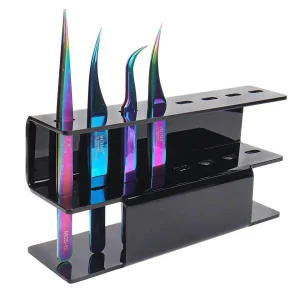
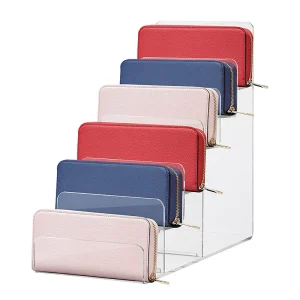
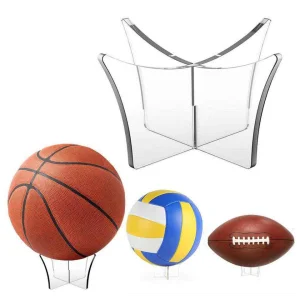
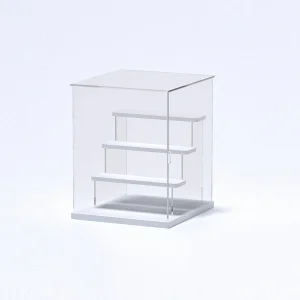
Explore our engineered showcase models manufactured with pure MMA virgin monomer resins, optical diamond edging, and ultra-tight tolerances for industrial and retail display environments.
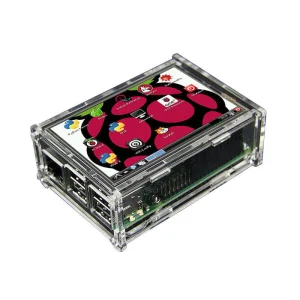
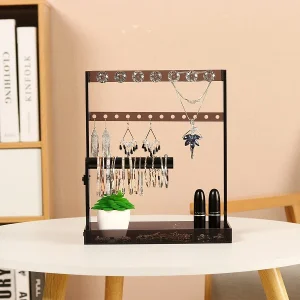

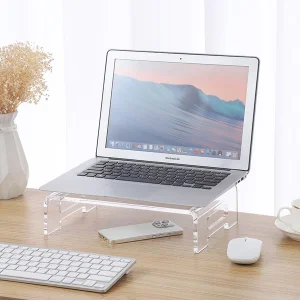
The worldwide demand for precision acrylic (Polymethyl Methacrylate or PMMA) fabrication has shifted fundamentally from rudimentary visual merchandisers toward mission-critical electronic, cleanroom, and high-security architectural housings.
Global procurement teams across North America, the European Union, and the Asia-Pacific region are transitioning from heavy, brittle soda-lime glass enclosures and corrosion-prone sheet metals to engineered PMMA polymers. Acrylic delivers unmatched luminous transmittance (92% visible light), half the volumetric density of glass (1.19 g/cm³ versus 2.5 g/cm³), and exceptional impact resilience (up to 17 times higher fracture energy). In the electronics sector, high-performance computing boards such as Raspberry Pi industrial gateways, mini-ITX motherboards, and IoT micro-nodes mandate enclosures that offer both crystal visual monitoring and non-conductive dielectric isolation.
Traditional acrylic box processing is fraught with acute quality hazards: micro-crazing induced by residual thermal stress during sub-par laser slicing, edge yellowing caused by reground scrap resins, solvent blooming along bonded seams, and dimensional warping caused by hygroscopic absorption. Xinquan mitigates these systematic supply-chain vulnerabilities through 100% virgin methyl methacrylate (MMA) feedstocks, computerized temperature-controlled annealing ovens, and closed-loop multi-axis diamond fly-cutting tooling that eradicates internal shear tension.
For procurement directors managing critical deadlines across aerospace instrumentation, luxury retail chains, and medical device assembly, engaging an accredited Tier-1 contract manufacturer like Xinquan ensures complete chain-of-custody tracking. Every production lot is cataloged with raw resin certs, digital thickness gauge data, spectrophotometer optical clarity verification, and custom drop-tested packaging protocols designed for multi-leg intermodal logistics.
Understanding molecular polymer configurations is vital for selecting optimal acrylic substrates for harsh industrial cases, thermal computing housings, or decorative retail vitrines.
| Performance Parameter | Cell Cast Acrylic (GS) | Continuously Extruded Acrylic (XT) | Xinquan Quality Standard |
|---|---|---|---|
| Molecular Weight (Mw) | 1,000,000 to 3,000,000 g/mol | 100,000 to 200,000 g/mol | Certified Premium Cast |
| Optical Refraction Index (nD) | 1.491 ± 0.002 | 1.490 ± 0.003 | ASTM D542 Spectrophotometer Verified |
| Tensile Strength (Yield) | 75 to 82 MPa | 65 to 72 MPa | ISO 527 Universal Stress Rig Tested |
| Thermal Distortion Temp (HDT) | 95°C to 105°C (203°F to 221°F) | 85°C to 90°C (185°F to 194°F) | Post-Annealed for High-Heat PCBs |
| Machinability & CNC Engraving | Crisp chips, frosted engraving, zero gumming | Can melt/clog cutter head without coolant | High-speed multi-axis CNC routing |
| Chemical / Solvent Crazing | High resistance to alcohols and cleaners | Prone to rapid environmental stress cracking | Annealed solvent and UV polymerized joints |
| Thickness Uniformity | ±(0.4mm + 0.1 * Thickness) | ±0.05mm to ±0.1mm across sheet | Laser micrometric sorting per panel batch |
Traditional flame polishing melts surface polymers, creating localized thermal tension that causes spontaneous cracking over months of ambient ozone exposure. Xinquan utilizes high-speed synthetic monocrystalline diamond tooling operating at 24,000 RPM. This cold micro-milling process delivers optical facet transparency directly out of the machine without introducing chemical or mechanical fatigue.
Instead of simple capillary solvent gluing that leaves cloudy bubbles, micro-voids, and brittle edges, our cleanroom bonding technicians employ multi-component PMMA reactive acrylic resins. The adhesive cross-links molecularly with the adjacent acrylic plates under calibrated ultraviolet lamps, yielding an isotropic joint with 95% of virgin tensile strength and absolute zero-bubble optical clarity.
Every engineering print submitted (STEP, DXF, DWG, AI) undergoes rigorous Design for Manufacturability (DFM) verification. We adjust draft angles, incorporate thermal expansion allowances (0.7 mm/m/10°C), design interlocking mortise-and-tenon joints for motherboard covers, and verify screw-thread pullout retention for industrial hardware fixings.
Tailored acrylic case manufacturing engineering designed to fulfill distinct regulatory, aesthetic, and mechanical performance mandates across global industries.
For single-board computers (Raspberry Pi 4/5, Jetson Nano, Orange Pi) and industrial switchboards, our enclosures integrate CNC port apertures, active cooling fan mounts, aluminum standoff bosses, heat-sink clearance cutouts, and anti-static surface treatments preventing catastrophic electrostatic discharge (ESD) events.
Heritage artifacts, rare collectibles, and fine jewelry demand 99.7% UV-filtering museum-grade acrylic. Our showcase cases provide an airtight inert envelope, stabilizing interior microclimates, guarding against photolytic color degradation, and incorporating high-security cam locks with beveled tamper-proof seams.
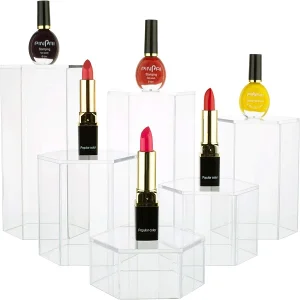
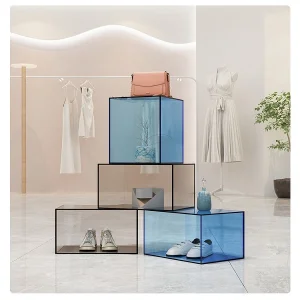
High-end retail showcases leverage heavy-gauge cast panels up to 30mm thick, featuring prism-beveled edges, embedded LED edge-lighting conduits, silk-screened or UV flatbed branded metallics, and modular magnetically coupled tiered risers engineered for rapid merchandising reconfigurations.
Biological laboratory chambers, centrifuge safety shields, and analytical diagnostic cases constructed from chemical-resistant PMMA formulations. Smooth, non-porous surfaces eliminate microbiological colonization, allowing routine sanitization with isopropyl alcohol and enzymatic detergents without clouding.
Direct OEM manufacturing backed by regional regulatory documentation, cross-border freight insurance, and comprehensive compliance across target market jurisdictions.
Every acrylic enclosure shipped to EU and UK partners is guaranteed 100% compliant with Directive 2011/65/EU (RoHS 3) and Regulation (EC) No 1907/2006 (REACH). We certify zero banned phthalates (DEHP, BBP, DBP, DIBP), heavy metals (lead, cadmium, mercury, hexavalent chromium), or halogenated flame retardants, backed by third-party SGS laboratory test reports per raw material production heat.
For electronic enclosures operating in consumer or industrial building infrastructures, we offer PMMA sheets meeting UL94 HB horizontal burning classifications, alongside specialized modified grades achieving UL94 V-0 self-extinguishing capabilities. For culinary, pastry, and confectionery cases, our clear plastics strictly adhere to FDA 21 CFR 177.1010 for direct contact with wet, dry, or fatty food products.
Fragile acrylic panels are vulnerable to surface abrasion and impact shear during maritime freight. Xinquan deploys dual-side electrostatic PE peel-off maskings, high-density polyethylene (EPE) foam cushioning custom CNC-routed to the exact case contours, heavy-duty 5-ply corrugated export cartons, and fumigated solid-wood crates with interior perimeter dampening for containerized intermodal shipments.
Emerging functional polymers, circular sustainability models, and intelligent digital inspection frameworks driving the next evolution of performance plastics.
Integration of chemical recycling protocols where end-of-life PMMA parts are thermally depolymerized into virgin-grade methyl methacrylate monomer liquid, maintaining 99% of original optical clarity while slashing carbon footprints by 70%.
Application of plasma-assisted polysiloxane and silica nano-coatings that increase acrylic surface pencil hardness from 2H-3H up to 6H-8H, delivering glass-level scratch resistance, anti-fingerprint oleophobic properties, and anti-reflective characteristics.
Deployment of multi-camera telecentric vision systems operating with polariscopes to automatically detect internal material stress, micro-bubbles down to 0.05mm, adhesive line discontinuities, and laser cut edge striations in real-time mass fabrication.
Routing internal waveguides and micro-channels inside thick cast acrylic blocks to house embedded IoT environmental monitors, humidity loggers for museum showcases, and wireless inductive power links for electronic display docks.
Send your 2D/3D CAD drawings (STEP, DXF, DWG, PDF) to our Danyang engineering team. We provide a full Design-for-Manufacturability (DFM) review and physical pre-production prototype within 5 to 7 business days.
Comprehensive engineering insights addressing common inquiries from procurement officers, industrial designers, and global supply chain managers.
Micro-crazing is caused by localized internal stress combined with aggressive environmental solvents or laser heat. At Xinquan, we utilize cell-cast PMMA made from pure virgin MMA monomer. After laser cutting or thermoforming, critical structural panels undergo an oven annealing cycle (heated to 80°C and slowly cooled over 12 hours) to relieve all frozen-in stresses. Furthermore, we use specialized non-crazing polymerized cements rather than harsh low-boiling-point thinners.
For high-density electronic cases requiring precise alignments for USB ports, HDMI headers, GPIO cutouts, and screw standoffs, our multi-axis CNC routing equipment holds a tight tolerance of ±0.05 mm. For high-speed laser cutting, we maintain ±0.1 mm on sheet thicknesses from 2 mm to 10 mm, ensuring interlocking snap-fit and mortise joints fit flush without requiring manual filing or post-trimming.
Acrylic provides 92% light transmittance, noticeably clearer than standard glass (88-90%) and polycarbonate (85-88%), and will not display yellow or green edge tinting up to 30mm thickness. While polycarbonate provides higher ballistic impact resistance, it scratches easily and degrades rapidly under UV exposure. Acrylic resists outdoor sunlight weathering for over 10 years without yellowing, offers superior rigidity, and polishes to a flawless optical crystal edge that glass cannot match at half the weight.
Yes. We specialize in comprehensive turnkey private-label execution. Beyond fabricating the acrylic product, we engineer custom full-color gift boxes, die-cut protective EVA/EPE foam inserts, assemble hardware accessory pouches (screws, rubber feet, standoffs), apply GS1/FNSKU barcode labels, and conduct drop tests according to ISTA-1A standards so cartons can transfer directly from shipping port to Amazon FBA or regional retail distribution hubs.
Standard prototype turnaround is 5 to 7 business days following final CAD sign-off. Bulk mass production (500 to 10,000 units) averages 15 to 25 business days depending on geometric complexity, surface printing steps (UV flatbed or silk-screen), and packaging requirements. Expedited rush production schedules are accommodated for urgent product launches, exhibitions, and seasonal marketing rollouts.
We avoid cheap dichloromethane capillary solvents that boil quickly and entrap micro-bubbles. Our bonding specialists use custom jigs to secure panels at a true 90.0-degree angle under constant pneumatic pressure, applying two-part reactive PMMA syrup. This adhesive polymerizes organically with the base acrylic material in climate-controlled cleanrooms, yielding completely water-clear, structurally seamless joints capable of withstanding pressurized mechanical loads.
Explore additional high-precision acrylic components, organizers, visual merchandising fixtures, and custom display fabrications engineered directly at our Danyang production campus.