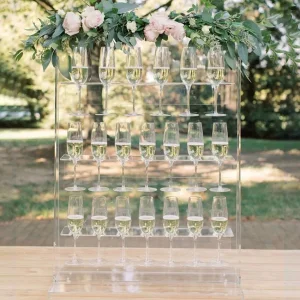
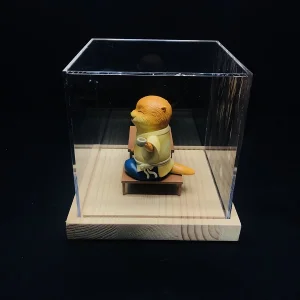
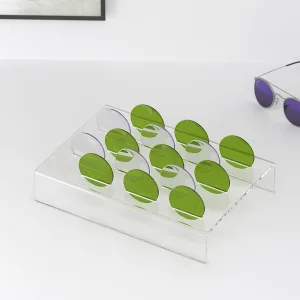
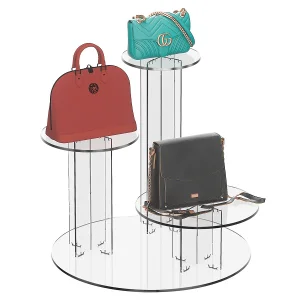
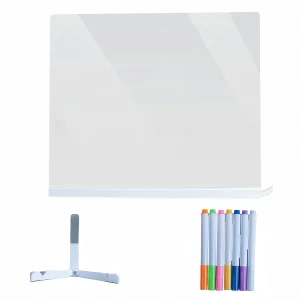
Pre-engineered commercial fixtures, notice units, and acrylic card display solutions optimized for rapid transit to Pakistani ports and regional business hubs.
A rigorous examination of corporate card adoption, high-end wedding invitation trends, and the domestic fabrication deficit across Pakistani urban centers.
The commercial landscape of Pakistan is experiencing an unprecedented structural shift toward premium architectural, presentation, and identification materials. In bustling commercial epicenters such as Karachi (I.I. Chundrigar Road and Clifton), Lahore (Gulberg and DHA), and Islamabad’s Blue Area, corporate enterprises, multinational branches, high-end retail chains, and luxury event coordinators are moving away from traditional paper-based and PVC-laminated cards. In their place, optically clear acrylic cards (polymethyl methacrylate or PMMA) have emerged as the paramount medium for VIP credentials, high-end business identity, hotel room keys, and lavish wedding invitations.
Despite accelerating local demand, domestic manufacturing within Pakistan faces acute technological and raw material bottlenecks. Local fabrication shops in Lahore’s Shah Alam Market or Karachi’s Korangi Industrial Area rely heavily on recycled MMA monomer sheets or inferior extruded polystyrene (PS) substitutes. These substandard sheets suffer from internal birefringence, uneven caliper thickness, and severe yellowing when exposed to the intense solar ultraviolet radiation characteristic of Punjab and Sindh (where temperatures frequently exceed 45°C).
Furthermore, local Pakistani workshops predominantly deploy outdated manual flame polishers or domestic CO₂ cutters with loose stepping motors, yielding edge scorch marks, micro-fissures, and dimensional variances that exceed ±0.5 mm. When corporate procurers attempt to embed high-frequency RFID chips or deposit UV-cured spot varnish, the thermal instability of local stock produces blistering and catastrophic delamination.
To fulfill large-scale institutional requirements, Pakistani procurement directors have pivoted toward certified Chinese OEM fabrication hubs like Danyang Xinquan Plastic Products Co., Ltd.. By leveraging virgin monomer cast PMMA, automated diamond edge milling, and ISO 9001 quality protocols, Chinese manufacturing provides discount volume pricing that reduces unit procurement costs by 30% to 45% while outperforming local offerings across clarity, tensile strength, and edge beveling.
Karachi and Islamabad fintech and banking hubs demand scratch-resistant, mirror-inlay acrylic cards with encoded micro-transponders for ultra-VIP client debit systems and executive security clearance.
Pakistani luxury wedding culture across Lahore, Peshawar, and Multan commands frosted and gold-foiled 2mm–3mm acrylic invitation suites, requiring precision screen printing and diamond beveled edges.
National retail chains across Emporium Mall (Lahore) and Lucky One Mall (Karachi) rely on standardized acrylic shelf-talkers, price cards, and promotional placard stands engineered for high-turnover duty.
Comparative technical benchmarks defining cast versus extruded acrylic, laser kerf management, and multi-layer UV bonding.
Specifying acrylic cards for commercial applications requires an advanced understanding of polymer chemistry and thermal boundary conditions during cutting. Not all PMMA is created equal; the procurement failures frequently witnessed in the Pakistani market stem directly from misaligned resin grades.
| Performance Vector | Cell-Cast PMMA (Xinquan Export Grade) | Continuous Extruded Sheet | Local Pakistani Recycled Sheet |
|---|---|---|---|
| Molecular Weight (Mw) | 2,000,000 to 3,000,000 g/mol | 100,000 to 200,000 g/mol | Degraded / Uncontrolled (< 80,000) |
| Light Transmittance (ASTM D1003) | 92.8% (Crystal clarity) | 91.5% | 84.0% – 88.0% (Visible tint) |
| Edge Machining Performance | Zero chipping, crisp frosted chamfer | Melts under high-speed milling | Severe cracking and gummy edges |
| Laser Cutting Kerf Integrity | Polished, flame-free, pristine line | Prone to burrs and raised lip | Scorched, noxious residue, carbonization |
| UV Radiation Resistance (340nm) | 10-Year Anti-Yellowing Warranty | Slight yellowing within 24 months | Severe discoloration within 6 months |
| Chemical Solvent Resistance | High resistance to alcohols and cleaners | Subject to rapid micro-crazing | Dissolves/clouds on sanitization contact |
At our Danyang facility, every acrylic card destined for Pakistan is fabricated using multi-axis high-speed CO₂ and solid-state laser cutting tables calibrated to an operational tolerance of ±0.05 mm. Traditional die-cutting produces micro-shearing stresses along the card perimeter that weaken the acrylic substrate. Our contactless thermal profiling eliminates all micro-fractures.
For orders requiring crystal-clear, mirror-bright perimeters—such as VIP membership credentials or desktop menu cards—our fabrication line routes edges through automatic diamond edge polishing carousels. Synthetic monocrystalline diamond tooling rotates at 24,000 RPM, removing 0.1 mm of edge material to leave an optical surface roughness (Ra) under 0.05 µm, entirely bypassing manual flame treatments that induce crazing over time.
Modern business demands more than static visual print. Our facility integrates state-of-the-art Japanese UV LED roll-to-sheet and flatbed printers capable of handling up to 1440 × 1440 DPI resolution. Using CMYK + Double White + Gloss Varnish channels, we generate embossed tactile textures, metallic gold foil simulation, and high-opacity backgrounds that preserve card readability even when backlit.
For smart corporate identity cards, our vacuum lamination department embeds ultra-thin NTAG213, NTAG216, or MIFARE Classic EV1 RFID transponders within a two-ply 1.5mm + 1.5mm bonded acrylic matrix. Using high-clarity optical liquid adhesives cured under precise UV wavelength frequencies (365nm), we achieve zero bubble entrapment and absolute moisture insulation—protecting electronic functionality against Pakistan’s humid monsoon conditions.
How direct integration with Jiangsu’s PMMA manufacturing belt delivers uncompromised quality and decisive cost advantages over local middlemen.
Procuring acrylic goods in bulk requires navigating volatile resin pricing and complex shipping corridors. By consolidating operations inside Danyang Xinquan’s 30,000 m² smart manufacturing park, we unlock distinct supply chain advantages for Pakistani enterprises.
Every client CAD, AI, or vector file undergoes automated Design-for-Manufacturability checks to optimize sheet nesting yields to 94%, minimizing drop-off waste and reducing client unit costs.
Direct intermodal routes from Shanghai / Ningbo to Karachi Port (QICT/KICT) ensure transit times of 12–16 days, supported by expedited overland CPEC logistics via Sost dry port for Northern Pakistan.
Individual double-sided co-extruded PE protective masking, vacuum desiccant packs, corner-shielded EPE buffers, and heat-treated ISPM-15 export wooden crates ensure zero scuffing upon port arrival.
Local commercial brokers in Karachi typically apply 60% to 100% markup on imported acrylic items, passing high inventory holding costs onto the buyer. Partnering directly with our Danyang factory allows Pakistani corporations, wedding planners, and advertising agencies to access wholesale factory pricing with small initial minimum order quantities (MOQ starting at 200 units for custom cards) while retaining direct engineering support.
Submit your CAD drawings or dimensional sketches today. Our engineering desk will deliver a comprehensive DFM audit, unit pricing, and Karachi CIF shipping estimates within 24 hours.
Essential guidance on HS code harmonization, import documentation, sales tax exemptions, and climatic performance across South Asia.
Navigating Pakistan’s Federal Board of Revenue (FBR) import requirements is critical to avoid container demurrage at Karachi Port. Finished acrylic cards, menu holders, and display stands fall under specific Pakistan Customs Tariff (PCT) codes:
To ensure rapid clearance through Pakistan's Web Based One Customs (WeBOC) portal, our export logistics desk provides all essential documentation: commercial invoices stamped with country-of-origin (Form-E compliance), China-Pakistan Free Trade Agreement (CPFTA) Certificate of Origin (allowing preferential tariff access), packing lists specifying gross and net weights per crate, and pre-shipment quality verification certificates.
Indoor and outdoor plastics deployed in Jacobabad, Sibi, Lahore, or Karachi are exposed to extreme environmental degradation. Ambient summer temperatures reaching 48°C combined with high ultraviolet indexes (UV Index 10+) cause rapid photo-oxidation in inferior materials.
Our cast PMMA cards are synthesized with embedded UV-absorbers (Tinuvin® class benzotriazoles) that arrest radical propagation. The glass transition temperature (Tg) of our acrylic formulations exceeds 105°C, ensuring that desk displays, restaurant table numbers, and wall-mounted poster holders maintain absolute planar flatness without warping, blooming, or stress cracking under sustained tropical heat.
Comprehensive acrylic solutions for enterprise display, technical housings, luxury events, and retail merchandising across Pakistan.
In-depth responses covering custom manufacturing specifications, shipping lead times, banking methods (L/C & T/T), and surface maintenance.
Eliminate trading intermediaries, inconsistent domestic quality, and delayed delivery schedules. Connect directly with Danyang Xinquan’s OEM fabrication facility for discount volume pricing and dedicated engineering support.