Pre-engineered cast and extruded PMMA modular products calibrated for cost-efficiency, anti-static microelectronics protection, and premium retail merchandising across the CIS.

Strategic localization, supply line restructuring, and the escalating demand for high-durability polymer housings across Russian engineering and consumer sectors.
The macroeconomic realignment of the Russian commercial and industrial landscape over the past several years has precipitated an unprecedented structural overhaul across technical supply chains. In previous business cycles, European polymer processors dominated the supply of premium polymethyl methacrylate (PMMA) fabrications, specialized electronic chassis, and high-end point-of-sale display hardware entering Moscow, Saint Petersburg, and Novosibirsk. However, widespread trade reallocation and reciprocal embargoes have eliminated direct Western European access, necessitating robust, direct-from-source manufacturing alliances with premier Chinese fabrication infrastructures.
Russian enterprise purchasers—spanning electronic system integrators, automated kiosk manufacturers, telecommunications providers, retail consortiums, and luxury cosmetic conglomerates—face twin commercial pressures: the imperative to drastically reduce unit landed costs without yielding an inch on engineering tolerances, aesthetic lucidity, or mechanical impact resilience. In the harsh physical operating climates typical of the Urals, Western Siberia, and Far Eastern federal districts, baseline commodity plastics fail catastrophically. Conventional polystyrene (PS) and substandard recycled acrylics undergo rapid brittle embrittlement, stress cracking under vibration, and yellowing when exposed to cyclical deep-freeze temperature differentials (-40°C in winter to +35°C during continental summers).
Consequently, procurement executives are actively seeking "cheap" acrylic cases not in the sense of inferior structural integrity, but through structural cost engineering: optimizing sheet yield ratios, reducing tool wear via multi-axis automated CNC contouring, leveraging solvent-welding chemical automation, and bypassing multi-tier broker distribution through factory-direct Sino-Russian trade pipelines. Danyang Xinquan Plastic Products Co., Ltd. satisfies this exact strategic niche, integrating primary monomer selection, specialized impact modification additives, and ISO-controlled production workflows to deliver cheap acrylic cases that withstand the climatic and mechanical rigors of the Eurasian territory.
Systemic solutions that transform technical PMMA fabrication into high-yield, low-maintenance field assets for telecommunications, electronics, and global commercial retail.
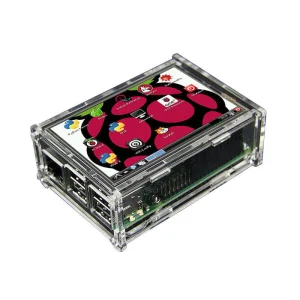
Custom acrylic cases for single-board computers (Raspberry Pi, industrial ARM modules), DIN-rail mount housings, and transparent instrumentation shields. Precision thermal ventilation cutouts, conductive ESD-attenuating surface layers, and high-frequency RF transparency provide unhindered diagnostic monitoring without electromagnetic damping.
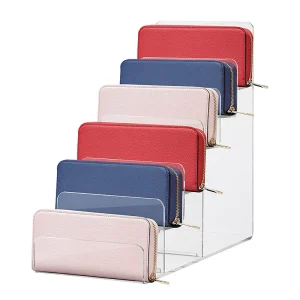
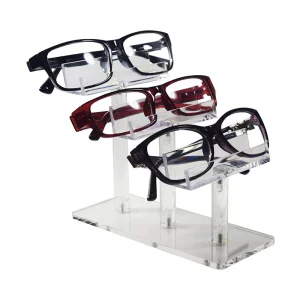
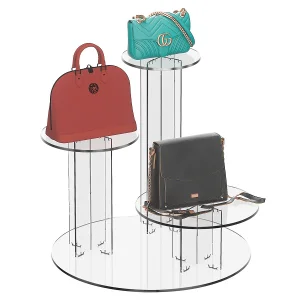
Turnkey display infrastructure for high-traffic retail locations across Moscow's TSUM and regional shopping malls. Highly transparent, diamond-polished merchandising cases for luxury spirits, fragrances, jewelry, and eyewear that amplify product luminescence while preventing pilferage through tamper-evident keylocks and hidden hinge assemblies.
Heavy-gauge cast acrylic safety enclosures and machine monitoring shields. Designed to isolate high-speed rotating components, laser cutting beds, and automated assembly cells. Chemically resilient against mineral oils, coolants, and common industrial cleaning reagents without clouding or surface micro-crazing.
Selecting the incorrect acrylic raw material grade represents the single greatest root cause of field failure for imported transparent goods in Russian infrastructure projects. The matrix below contrasts commercial cast sheet against extruded options and competing polycarbonates:
| Engineering Property | Cell Cast PMMA (GS) - High Grade | Extruded PMMA (XT) - Cost Optimized | Polycarbonate (PC) Reference |
|---|---|---|---|
| Refractive Index / Clarity | 1.49 (92.8% Light Transmission) | 1.49 (92.0% Light Transmission) | 1.58 (88.0% - prone to internal haze) |
| Low Temp Ductility (-30°C) | High (Retains elasticity with impact modifier) | Moderate (Susceptible to edge notch shock) | Extremely High (Superior impact strength) |
| Laser Edge Quality | Optically clear, zero burrs, glossy | Self-polishing melt, minor bead edge | Discolored, yellowish-brown burnt kerf |
| Chemical Crazing Resistance | Superior (High molecular weight chain) | Moderate (Sensitive to solvent exposure) | Poor (Rapid crazing under solvent attack) |
| Bulk Procurement Cost Index | Moderate (100% Virgin MMA monomer) | Lowest (Ideal for cheap mass-run cases) | High (2.2x to 3.0x cost multiplier) |
Advancing from rudimentary sheet cutting to AI-guided nesting, five-axis CNC edge profiling, and optical-grade polymer bonding automation.
The production of competitively priced, ultra-clear acrylic enclosures requires advanced capital equipment and rigorous chemical discipline. At Xinquan Acrylic's 30,000 m² Danyang manufacturing campus, the production cycle incorporates several proprietary fabrication gates engineered to drive yield efficiency toward 99.4%:
Traditional laser cutters suffer from focal divergence over large bed areas (2000 mm × 3000 mm), yielding tapered edge walls. Our production cells integrate dynamic optical collimation that preserves a completely perpendicular beam wavefront ($\le 0.5^\circ$ kerf angle variance). This ensures that interlocking acrylic box fingers, mortise-tenon joints, and micro-screw standoffs align effortlessly during mass assembly in overseas plants, eliminating manual filing or deburring steps that drive up landing costs.
Achieving transparency on cut edges has historically been a bottleneck. While manual flame polishing introduces internal thermal stresses that trigger catastrophic spider-web cracking under Siberian cold snaps, Xinquan utilizes automated PCD (Polycrystalline Diamond) high-speed rotary milling heads. Passing edges across diamond cutters operating at 18,000 RPM creates optical-grade planar mirror surfaces without introducing localized thermal shock. When solvent welding is applied, the bonded perimeter achieves 94% of the parent material's native tensile rupture strength.
As global supply chains place greater emphasis on ESG metrics and cradle-to-gate carbon footprints, Xinquan is at the forefront of depolymerization technology. We recycle 100% of internal CNC scrap, routing chips, and edge trimmings through cracking reactors to regenerate high-purity recycled methyl methacrylate (R-MMA). For Russian buyers requiring aggressive price points for non-optical base structures, our dual-layer co-extrusion technology embeds up to 60% R-MMA in structural cores while maintaining virgin high-molecular-weight cast PMMA on outer weatherable surfaces.
Eliminating non-tariff trade friction via direct currency clearing, Eurasian Economic Union (EAEU) technical compliance, and multi-modal freight routes.
Managing international supply operations requires a clear understanding of financial corridors and transportation logistics. Procurement directors working with Danyang Xinquan enjoy streamlined trade pathways designed specifically for Russian cross-border commerce:
Completely insulated from SWIFT payment constraints. Transactions are cleared seamlessly via VTB Shanghai, Agricultural Bank of China, and direct cross-border interbank payment conduits (CIPS), locking exchange rates and eliminating conversion losses.
Full export documentation support for Eurasian Conformity (EAC mark) protocols. We provide formal material flammability data (UL94 HB to V-0 certifications), non-toxicity declarations, and GOST-R compliance paperwork to expedite border clearance at Zabaikalsk and Vladivostok.
Railway transit over 9,000 kilometers demands specialized industrial packaging. Acrylic cases feature static-cling PE surface films, high-density EPE foam corner nests, vacuum desiccant packs, and heavy-duty ISPM-15 heat-treated plywood crates engineered to resist humping-impact shocks.
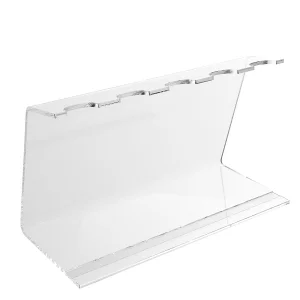
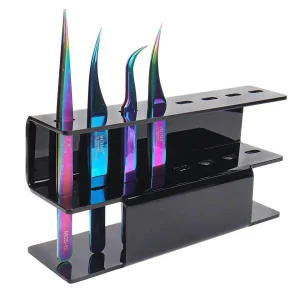
Factory-direct commercial acrylic fabrication configurations engineered for weddings, retail presentations, hospitality setups, and luxury installations.




Everything corporate buyers need to know regarding minimum order quantities, cross-border payments, thermal limits, and bespoke fabrication tolerances.
