Explore production-ready fabricated acrylic signage, precision-milled boards, and specialized display structures engineered to tight international tolerances.


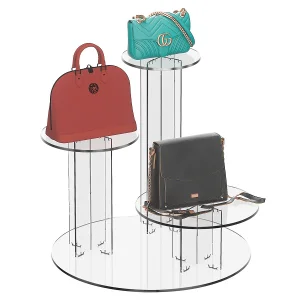
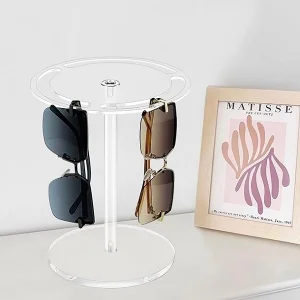
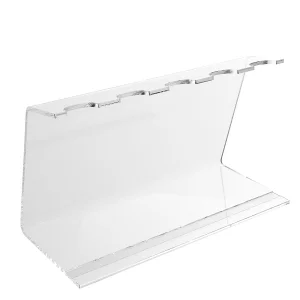
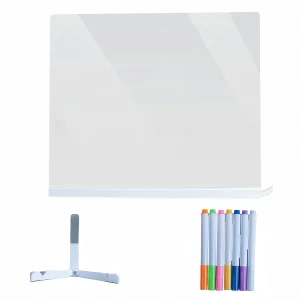
In high-specification OEM signage engineering, substrate chemistry dictates optical diffusion, thermal stability, and mechanical edge resilience. We clarify the atomic differences between Cell-Cast PMMA and Continuous Extruded Acrylic for laser ablation and CNC micro-carving.
Fabricated through liquid methyl methacrylate monomer polymerization inside precision glass cell molds. Possesses higher molecular weight (2,000,000+ g/mol), delivering high frost contrast, uniform micro-fracturing during laser sublimation, and resistance to solvent crazing.
Formed through high-speed pellet melting and extrusion rolling. Displays lower molecular weight and tighter thickness tolerances (±0.05 mm), making it suitable for high-volume flat profile cutting, thermoforming, and non-raster sign insert programs.
Utilizing proprietary algorithmic dot-matrix micro-etching (LGP technology). Laser pulses engrave varying dot densities (from 0.05 mm to 0.35 mm depth) across the reverse face to overcome total internal reflection and project an even luminance field without hotspot degradation.
| Engineering Property | Cell-Cast PMMA (Subsurface Engraving Grade) | Extruded PMMA (Standard Sheet) | Polycarbonate (PC Comparison) |
|---|---|---|---|
| Refractive Index (nd) | 1.491 (Optimal optical clarity) | 1.490 | 1.586 (Higher haze dispersion) |
| Laser Sublimation Behavior | Direct solid-to-gas vaporization; crisp chalk-white frost | Partial melt transition; lower contrast clear etch | Thermal scorch & carbonization (unsuitable) |
| Thickness Tolerance (Caliber) | ±[0.4 + (0.1 × thickness)] mm per ISO 7823-1 | ±0.05 mm to ±0.1 mm | ±0.08 mm |
| Tensile Strength (ISO 527) | 75 to 80 MPa | 70 to 72 MPa | 60 to 70 MPa |
| Stress Crazing Resistance | High (Annealed post-etching at 80°C for 2h) | Moderate (Sensitive to fast-evaporating solvents) | Low under localized aromatic compounds |
| Light Transmission (ASTM D1003) | 92.8% (Surpasses architectural soda-lime glass) | 92.0% | 88.0% |
From hermetically sealed cleanroom markers to high-traffic international transportation terminals, precision-etched acrylic solves legibility, hygiene, and architectural elegance demands.
Architectural glass-alternative panels featuring deep reverse-etched vector typography, frosted directory zones, and embedded brushed anodized aluminum standoffs. Seamlessly integrates with building BMS and architectural color schemes without visual distraction.
Strict non-outgassing requirements preclude standard VOC-laden printed signs. Subsurface laser-engraved cast acrylic withstands recurring IPA (isopropyl alcohol), hydrogen peroxide vapor, and chlorine dioxide sanitation cycles without degradation.
Illuminated monolithic edge-lit signage crafted with optic-grade PMMA panels. Precision raster lines catch high-CRI 3000K warm LED illumination while retaining pure transparency elsewhere, floating branding in prestige interiors.
The acrylic signage manufacturing sector is progressing from traditional mechanical pantographs and generic CO₂ plotting into high-speed galvo scanners, picosecond cold lasers, and conductive micro-channel integration.
By shifting from thermal infrared CO₂ lasers (10.6 µm) to third-harmonic UV lasers (355 nm), we bypass the heat-affected zone (HAZ). Photochemical ablation breaks organic polymer bonds directly, creating microscopic etched lines down to 15 microns without localized melting or thermal micro-cracking.
High-peak-power focused laser pulses converge beneath the outer boundary layer of the PMMA substrate. By inducing focal-point optical breakdown, microscopic light-diffusing voxels form entirely inside the material, leaving both front and rear outer faces flat, hygienic, and damage-proof.
Micro-milling 0.2mm channels via precision CNC diamond tooling followed by automated conductive silver or copper ink dosing. This architecture transforms decorative etched acrylic panels into capacitive touch panels with hidden busbars and embedded low-voltage NFC tags.
Operating from Liuyan Village Industrial Park in Danyang, Jiangsu, Xinquan Acrylic leverages an integrated polymer ecosystem. From virgin MMA chemical feedstock suppliers to multi-axis CNC fabrication under one roof, we eliminate overseas supply bottlenecks.
Direct pipeline agreements with petrochemical producers ensure our cast sheets utilize 100% virgin Lucite and Mitsubishi MMA monomer. Rejecting recycled monomer fractions (R-MMA) prevents latent bubble venting, hazing, and volatile outgassing during laser ablation.
Our 30,000 m² facility features in-house precision steel mold machining, automated CNC tool changers, and synchronized 4-head CO₂ laser suites. We compress the cycle from client CAD brief to physical pre-production sample down to 5 to 7 business days.
Precision-etched acrylic is susceptible to micro-scratches from shipping vibrations. We apply dual-sided static co-extruded PE protective films, high-density polyethylene corner cushions, heavy-gauge multi-wall corrugation, and fumigated solid timber export crates.
Architectural installations in public spaces, airports, and commercial real estate require compliance with international fire safety codes, environmental toxicity limits, and universal accessibility mandates.
We engineer signs that fulfill strict US Americans with Disabilities Act requirements. Letters feature raised tactile relief (1/32 inch minimum), paired with Grade 2 Raster Braille spheres mechanically inserted into laser-drilled cavities for permanent adhesion.
Our cast PMMA substrates are tested in accredited independent laboratories. Signage panels meet UL94 HB horizontal burn criteria and DIN 4102 B2 fire classification, ensuring self-extinguishing behavior and non-toxic smoke release (nitrogen- and halogen-free composition).
Substrates and post-etch infill enamels pass EU REACH SVHC candidate chemical checks and RoHS restrictions on heavy metals (Pb, Cd, Hg, Cr VI). We support circular procurement by recapturing 100% of clean fabrication shavings and laser cut-offs for depolymerization.
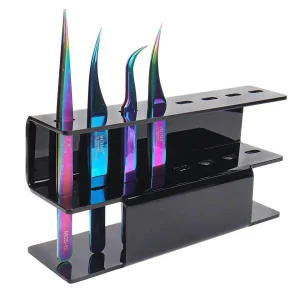
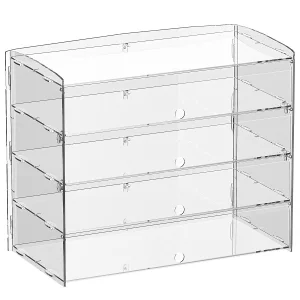
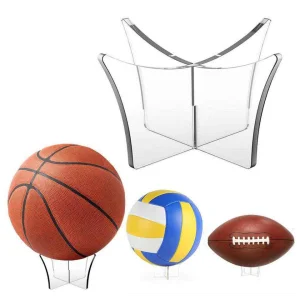
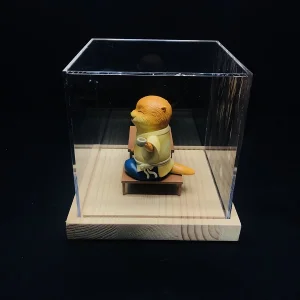
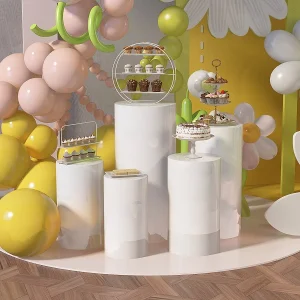
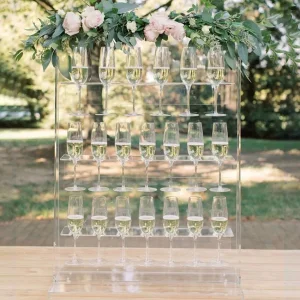
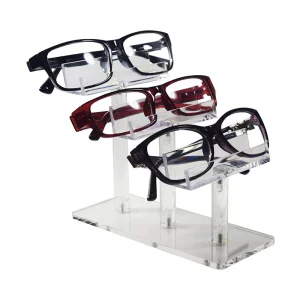
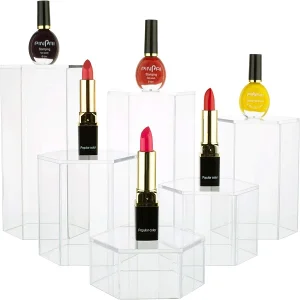
Review additional commercial acrylic fixtures, wall-mounted systems, and specialized retail presentation assets built to client drawings.
Technical guidance for architects, procurement directors, and industrial designers evaluating material grades, precision tolerances, and international logistics.
