Explore structural display units, engineering-grade fixtures, and custom acrylic seating configurations manufactured to strict tolerance standards.
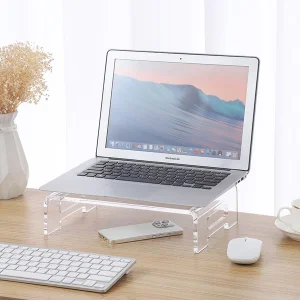
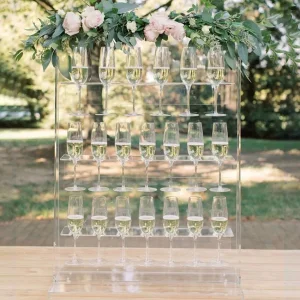
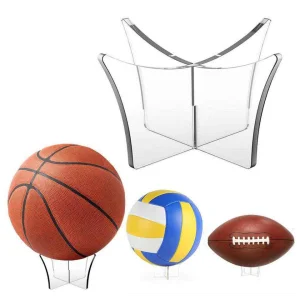
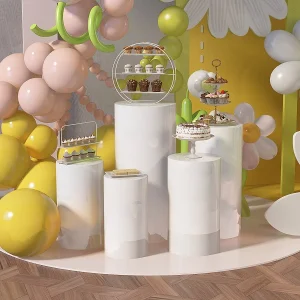

In modern architecture, commercial merchandising, and luxury interior design, the acrylic bench serves as a prime showcase of load-bearing optical clarity and structural polymers.
Structural furniture demands ultra-high molecular weight cell-cast PMMA sheets. Unlike extruded acrylic, cast materials provide exceptional tensile modulus (3,200 MPa), zero internal stress concentrations, and unmatched chemical resistance, eliminating crazing under extended physical loads.
For custom mitered and multi-tier acrylic benches, simple solvent fusing falls short. We utilize proprietary reactive two-component PMMA polymerization agents, followed by 36-hour ramped thermal annealing cycles to relieve micro-stresses and prevent static fatigue failures.
Every load-bearing perimeter is cut via diamond tooling and finished using multi-stage robotic diamond edge polishers. This technique guarantees high parallel tolerances, prevents surface micro-notching, and preserves 92% optical clarity along edges up to 100mm thick.
From cleanroom laboratories to flagship luxury concept retail, acrylic seating offers minimal visual clutter with maximum structural integrity.
Luxury flagship stores use clear waterfall and cantilevered acrylic benches as neutral architectural accents that elevate products without obstructing perimeter view lines.
Museums specify UV-stabilized clear PMMA benches for gallery halls, ensuring functional visitor seating that leaves sightlines toward hanging artwork completely open.
Because cell-cast acrylic is non-porous and withstands hospital-grade surface sanitizers without pitting, these benches suit clinical corridors and cleanrooms.
Unaffected by ambient humidity, water vapor, or chlorine exposure, custom acrylic benches perform reliably in locker suites, spa lounges, and indoor pool atriums.
Operating from Danyang, Jiangsu, Danyang Xinquan Plastic Products Co., Ltd. combines local monomer refining access with advanced digital fabrication infrastructure.
Situated within East China's industrial corridor, we source virgin MMA monomer directly from certified suppliers. This eliminates intermediate markups and guarantees consistent batch-to-batch polymer purity, zero yellowing indexes, and dependable sheet deliveries.
Our engineering wing provides complimentary Design for Manufacturability (DFM) analyses for custom structural benches within 24 hours. Prototypes are verified via 5-axis CNC routers and custom thermoforming ovens in 5 to 7 operational days.
Thick-gauge acrylic panels are susceptible to shear shocks during transit. Every bench ships with surface-protecting PE films, high-density shock-absorbing EPE profiles, and custom plywood crates engineered to pass ISTA drop-testing criteria.
A reference guide for engineering teams selecting appropriate polymers for high-load architectural seating and luxury contract installations.
| Performance Characteristic | Cell-Cast PMMA (Structural Grade) | Extruded PMMA | Polycarbonate (PC) | Tempered Glass |
|---|---|---|---|---|
| Light Transmission (%) | 92% (Crystal clarity) | 89% - 91% | 88% (Slight grey tint) | 86% - 90% (Green tint edge) |
| Bending Modulus (MPa) | 3,200 | 2,900 | 2,300 | 70,000 |
| Impact Resistance | 17x higher than glass | 10x higher than glass | 250x higher than glass | Brittle under impact |
| Edge Finish Capability | Optically seamless diamond polish | Prone to stress fractures | Difficult to mirror-polish | Requires ground safety bevel |
| Long-Term Weathering / UV | >30-year resistance to hazing | Moderate yellowing risk | Requires co-extruded UV layers | Inert |
| Stress Crazing Risk | Minimal with proper annealing | High under solvent exposure | Susceptible to aromatic solvents | None |
Integrating optical-grade siloxane hard coatings into seating tops to elevate pencil hardness from 3H to 6H-7H, addressing scuff concerns in high-traffic retail environments.
Adopting depolymerization processes that break cast bench scrap back down into virgin-grade methyl methacrylate monomer with minimal optical compromise, reducing overall carbon footprint.
Embedding edge-lit micro-prism laser arrays directly into the bench interior, transforming clear seating into uniform architectural light sources without exposed wires or hotspots.
Ensuring full mechanical and environmental compliance for global markets across North America, the European Union, the Middle East, and APAC.
Raw PMMA supplies undergo recurring third-party verification via RoHS, REACH SVHC, and California Prop 65 laboratory assays, confirming an absence of heavy metals and plasticizers.
All seating units undergo finite element analysis (FEA) alongside physical load testing, satisfying ANSI/BIFMA X5.4 lounge and public seating standards for static load and drop impact durability.
Our international fulfillment team provides DDP (Delivered Duty Paid) service options across global regions, managing sea freight customs, local terminal drayage, and inside commercial deliveries.
Key technical answers for procurement teams, interior design practices, and contract furnishers.
Depending on span and design, load-bearing acrylic benches generally use 20mm to 50mm thick cell-cast PMMA. A standard 1200mm waterfall bench typically requires a minimum 30mm to 40mm thickness to eliminate noticeable deflection under dynamic multi-person loads.
We use reactive polymerization acrylic cement rather than basic capillary solvent glues. When cured within controlled thermal cleanrooms, the joint molecularly merges with the surrounding panels, leaving a completely bubble-free, water-clear seam that can be polished flush.
No. Our architectural seating uses virgin cell-cast PMMA containing integrated UV absorbers. Unlike polycarbonate or polystyrene, high-grade PMMA maintains 92% optical transmission and shows no measurable yellowing index shift over decades of indoor UV or window exposure.
Standard prototypes take 5 to 7 business days following CAD drawing signoff. Container-volume bulk runs generally complete within 15 to 25 operational days, subject to custom color mixing, specialized routing, and protective crating requirements.
For high-traffic hospitality or retail use, we offer optional factory-applied nano-ceramic hard coatings that boost surface scratch resistance. Minor scuffs can also be buffed out using standard rotary polishing pads and micro-abrasive polishing compounds.
Yes. We match custom Pantone and RAL references across transparent, translucent, satin-frosted, smoke grey, amber, and opaque colorways using UV-stable masterbatch pigments during the cell casting process.
Comprehensive acrylic fabrications produced with ±0.1mm CNC routing, diamond-polished edges, and direct factory-to-port dispatch.