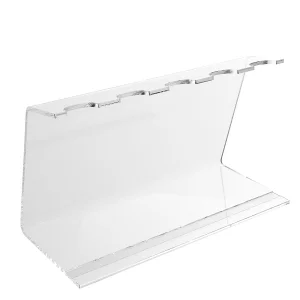
Explore engineering-grade, diamond-polished, crystal-clear acrylic components engineered to exact architectural blueprints and retail specifications.
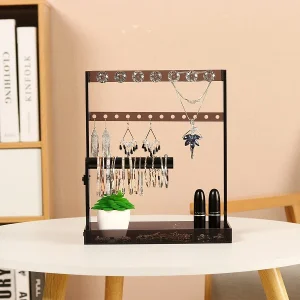




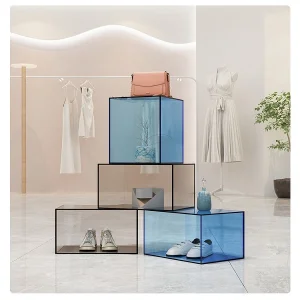
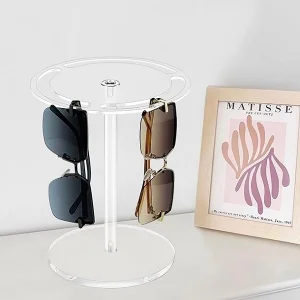
The contemporary contract furniture and luxury retail staging sector is undergoing a profound material transition toward high-density polymethyl methacrylate (PMMA).
The demand for custom clear acrylic vanity tables, dressing consoles, and translucent makeup desks has scaled far beyond conventional residential accent furniture. In luxury boutique hospitality, high-end commercial spas, and flagship cosmetic retail spaces across North America, Western Europe, and the GCC region, architects demand unobstructed spatial flow and maximal photometric diffusion. Traditional monolithic wooden or metal vanities enclose floor area and impede ambient lighting. In contrast, 100% virgin cast acrylic possesses a refractive index of approximately 1.49, transmitting up to 93% of visible light—exceeding standard clear float glass while weighing less than half.
However, engineering a primary horizontal vanity surface demands superior mechanical rigidity. Acrylic displays time-dependent viscoelastic creep deformation under sustained hydrostatic and dead loads. A premium custom acrylic vanity table cannot merely rely on standard 6mm or 8mm extruded sheets. Contract manufacturers must utilize high-molecular-weight cell cast acrylic ranging from 15mm up to 50mm in thickness. By utilizing precision-controlled thermal annealing cycles (typically soaking at 80°C followed by controlled cooling gradients), suppliers relieve latent internal mechanical stresses induced during CNC contouring, mitigating the long-term risk of micro-fissuring and environmental solvent craze when exposed to alcohol-based cosmetics, perfumes, and acetone formulations.
A primary supply chain challenge confronting global importers is premature photo-yellowing and degradation caused by ultraviolet irradiance and monomer impurities. Second-tier fabricators frequently dilute virgin methyl methacrylate (MMA) with post-industrial or post-consumer reclaimed resins, resulting in hazy edge transmittance, residual chemical odors, and sudden molecular cleavage under mechanical fatigue. Tier-1 custom manufacturers enforce strict spectroscopic quality controls, utilizing strictly virgin MMA monomers compounded with proprietary UV-stabilizers to ensure a minimum 10-year Delta E (ΔE) color stability value below 1.5 under ASTM D2244 standards.
Anticipating modern commercial design trajectories, manufacturing techniques, and ergonomic requirements.
Integration of concealed inductive Qi-wireless charging pads directly beneath 20mm acrylic top surfaces, routed LED perimeter edge lighting with high Color Rendering Index (CRI > 95), and flush-mounted tactile sensory dimmers seamlessly embedded within crystal-clear drawers.
Moving away from visible mechanical hardware or glued butt-joints toward continuous heat-draped waterfall profiles. Using multi-zone infrared ceramic ovens, 25mm thick monolithic acrylic slabs are bent to tight internal radii without structural thinning, optic distortion, or mechanical stress concentration.
Application of advanced polysiloxane vacuum-deposited ceramic hard coats (yielding a surface pencil hardness rating > 4H-5H). This effectively mitigates acrylic's traditional vulnerability to surface micro-scratching from cosmetic bottles, mirrors, and steel makeup accessories.
Engineered to resolve spatial, ergonomic, and aesthetic demands across diverse commercial environments.
Preserves spatial transparency and ambient sightlines in compact penthouse master suites, boutique hotel powder rooms, and private luxury dressing alcoves where spatial density is paramount.
Serves as interactive, pristine customer testing stations in luxury department stores. Non-porous surfaces prevent bacteria harboring, while chemical-resistant finishes withstand industrial cleaning protocols.
Studio vanity stations requiring non-reflective, pure translucent aesthetics that avoid studio camera glare, supporting high-illumination cinematic makeup artistry without casting unwanted chromatic shadows.
Centerpiece dressing islands integrated with custom jewelry pull-out tiers, velvet-lined acrylic drawers, and frameless structural clear mirrors tailored for private luxury villas and residences.
Rigorous material parameters contrasting architectural-grade cast PMMA with conventional retail alternatives.
| Performance Characteristic | Architectural Cell Cast PMMA (Xinquan Spec) | Commercial Extruded Acrylic | Treated Soda-Lime Glass |
|---|---|---|---|
| Refractive Index / Clarity | 1.49 / 92.8% - 93.2% visible transmission | 1.49 / ~90.5% visible transmission | 1.52 / 86% - 89% (Green hue edge) |
| Tensile Strength (ISO 527) | 75 - 82 MPa | 60 - 68 MPa | 40 - 50 MPa |
| Impact Resistance (Izod) | 16 - 20 kJ/m² (17x shatterproof vs glass) | 11 - 14 kJ/m² | 1.0 - 1.5 kJ/m² (Catastrophic failure) |
| Bonding Technology | Polymerization Chemical Reaction (Zero-Line) | Capillary Solvent Weld (Visible meniscus) | UV Adhesive Glue / Mechanical Clips |
| Edge Finishing Standard | Multi-head Diamond Milling + Hand Buffing | Flame Polished (Induces internal stress) | C-Shape Ground / Arris Edge |
| Thermal Annealing Protocol | Automated Ramp 80°C (1hr per 5mm thickness) | Unannealed (High residual strain) | Tempering Cycle Required |
A precision-controlled 6-stage engineering and supply chain delivery pipeline built for global trade reliability.
Every vanity table blueprint undergoes finite element structural load analysis (FEA) to calculate span deflection under sustained mirror and tabletop loads, optimizing beam thickness and support joinery.
Monolithic cast acrylic slabs are cut, slotted, and routed using industrial CNC cutting beds maintaining tight geometric tolerances within ±0.1mm to guarantee seamless drawer glide alignments.
Joints are bonded via active chemical polymerization rather than rapid solvent melting. The adhesive chemically cross-links the PMMA chains across the seam, creating an invisible, structural joint free of air bubbles.
Panels pass through industrial diamond fly-cutters followed by multi-stage micro-grit cotton buffing wheels, restoring edge light transmittance to 93% with zero chromatic aberrations.
Bonded assemblies enter computer-regulated convection ovens to relieve localized structural stress concentrations caused by cutting and bonding, permanently eliminating cosmetic-solvent cracking.
Finished furniture is vacuum-sealed in static-free protective film, encapsulated in custom high-density EPE foam cradles, and crated inside heavy-duty multi-layer fumigated plywood export boxes for sea-freight security.
Direct technical guidance from our production engineers addressing commercial client concerns.
Explore our full range of precision-manufactured acrylic products engineered for global brands, events, and retail displays.