Engineered for visual clarity, extreme environmental resilience, and turnkey installation across corporate, hospitality, and experiential retail venues.

How polymer breakthroughs, smart environmental graphics, and circular lifecycle economics are transforming global commercial signage procurement.
In modern corporate architecture and branded commercial environments, the custom acrylic wall sign has evolved beyond passive identification into an integral component of spatial branding, interior wayfinding, and digital integration. As enterprises increasingly retire opaque, heavy signage substrates like wood composites and sheet metal, high-grade polymethyl methacrylate (PMMA) stands as the material of choice. Boasting a light transmission index of 92% to 93%—exceeding standard architectural soda-lime glass—acrylic enables unmatched clarity while possessing half the weight and roughly 10 to 17 times the shatter resistance.
The contemporary architectural graphics industry is currently propelled by three tectonic shifts: the transition toward multi-layered volumetric aesthetics, integration with diffused edge-lit micro-LED backlighting, and stringent global corporate sustainability mandates demanding circular, recyclable polymer streams.
Global procurement teams specify 100% virgin methyl methacrylate (MMA) cast polymers to prevent yellowing, crazing, and UV delamination, ensuring 10+ year interior & exterior half-life across harsh environmental exposures.
By shifting graphic deposition to the second surface (reverse side), signs gain intrinsic scratch, chemical, and vandalism protection. High-fidelity CMYK + double-dense White inks achieve delta-E < 1.0 chromatic consistency across global franchise rollouts.
Modern sign designers increasingly marry matte anti-glare cast PMMA with aerospace-grade anodized aluminum standoffs, brushed brass inserts, and sustainably harvested architectural wood bases for textural elevation.
Danyang Xinquan Plastic Products combines industrial-scale sheet extrusion with automated CNC nesting and automated multi-axis diamond finishing.
The manufacturing ecosystem in Jiangsu Province provides an unmatched vertical integration advantage for international enterprises. Sourcing monomer precursors directly through localized chemical clusters enables stable material costs despite global market volatility. In-house automated CO₂ laser arrays running synchronized CAD/CAM nesting routines eliminate kerf variance, allowing intricate corporate crests, razor-sharp typographic letterforms, and tight blind mortise-tenon joints to be machined without thermal stress micro-fractures.
Crucially, high-throughput diamond edge polishing machinery delivers clean, 90-degree glass-pure edges across acrylic panel gauges spanning 2 mm up to 50 mm. Traditional flame polishing methods, which induce edge-stress and micro-crazing under chemical exposure, are systematically replaced with mechanical diamond PCD tooling followed by solvent-annealed edge sealing, delivering pristine structural reliability.
Every overseas CAD, DXF, or vector artwork submission undergoes automated Design for Manufacturability (DFM) verification to eliminate stress concentrations, thermal warp risks, and screw standoff shear loads.
For thick-gauge architectural plaques and multi-layer floating signs, specialized UV-reactive methyl acrylate syrups provide seamless, invisible joints that completely eliminate optical diffraction and bubble entrapment.
To eliminate transoceanic transit damage, signs are protected with anti-static dual-face PE film, suspended within custom-die EPE foam cells, and crated inside fumigated marine-plywood boxes tested to drop standards.
Direct comparative performance metrics to assist corporate procurement officers and interior architects in drafting definitive bid packages.
| Performance Metric | Cell Cast Acrylic (PMMA) | Continuous Extruded PMMA | Polycarbonate (Lexan) | Tempered Float Glass |
|---|---|---|---|---|
| Light Transmission (%) | 92.5% – 93.0% (Optically Pure) | 91.5% – 92.0% | 86.0% – 88.0% | 88.0% – 90.0% (Green tint) |
| Impact Resistance (kJ/m²) | 15 – 20 (Shatter-Safe) | 12 – 16 | 70 – 90 (High Impact) | 2 – 5 (Catastrophic Fracture) |
| Edge Finish Capability | Diamond & Chemical Lustre | Diamond Only (Heat Sensitive) | Difficult; Prone to Burring | Seamed / Ground Edge Only |
| Weight Ratio (vs Glass) | 48% (Lightweight Standoffs) | 48% | 45% | 100% (Demands Structural Anchors) |
| Laser Engraving Contrast | Crisp, Frosted Brilliant White | Low-Contrast Translucent | Discolors (Thermal Char) | Requires Sandblast / Acid Etch |
| UV Stability (Outdoor Life) | 10–15 Years Zero Discoloration | 5–8 Years (Slight Drift) | 3–5 Years (Yellowing without Coat) | Indefinite |
From high-volume chain store installations to prestigious architectural corporate lobbies, custom PMMA signage serves diverse visual requirements.
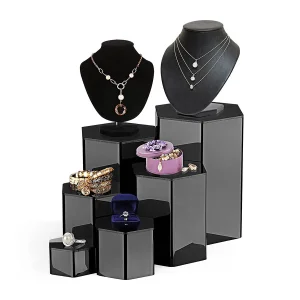
Flush-mounted and edge-lit PMMA plaques create floating dimensional logos, illuminated department headers, and high-clarity vitrine wall tags that complement premium retail aesthetics.
Executive suite door signs, directories, and LEED-compliant donor appreciation walls engineered with anti-fingerprint frosted acrylic and precision-threaded metal standoff fittings.
ADA-compliant wayfinding signs featuring Grade 2 braille raster spheres, high-contrast matte tactile lettering, and solvent-welded clear acrylic lenses for clean hospital sanitation.
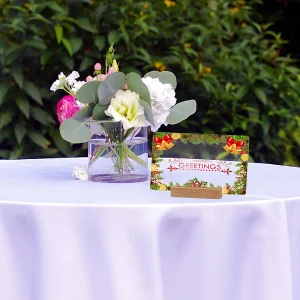
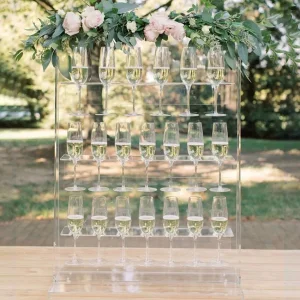
Oversized acrylic welcome notice walls, illuminated champagne feature menus, and bar directories fabricated with gold-leaf acrylic inlays and durable UV backings.
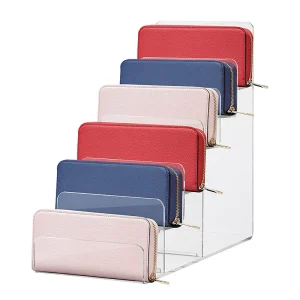
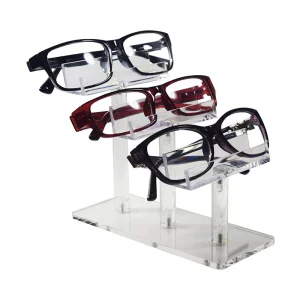
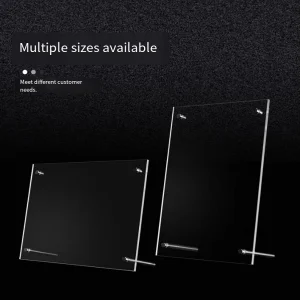
Explore custom retail fixtures, event display units, and industrial wall installations tailored to exact enterprise dimensions and OEM brand guidelines.


In-depth responses covering resin chemistries, dimensional stability, mounting configurations, and volume logistics.
