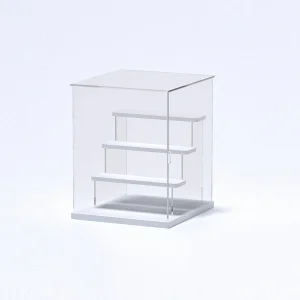
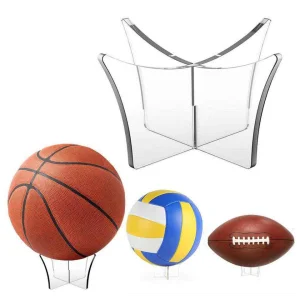
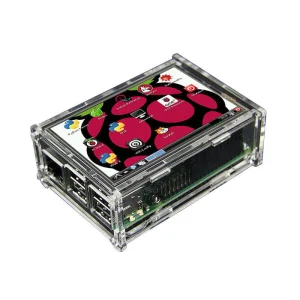
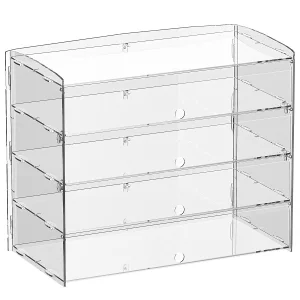
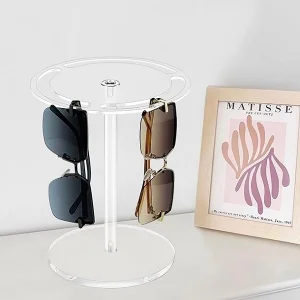
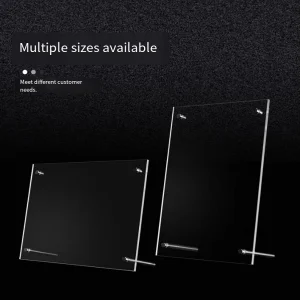
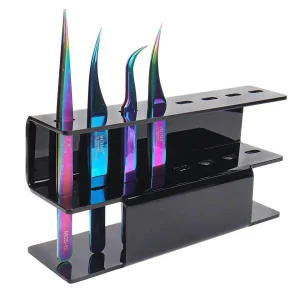
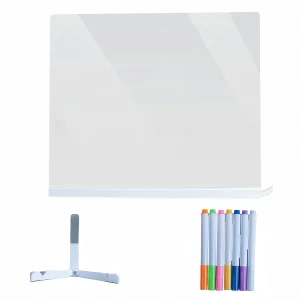
Explore initial product modules engineered through computer-controlled CO₂ laser routing and mechanical edge-finishing techniques.
A macroeconomic shift toward polymethyl methacrylate (PMMA) substrates in architectural, industrial control, and experiential corporate design ecosystems.
Global procurement teams are shifting away from manual, multi-vendor sign manufacturing toward centralized, CNC-integrated facilities. The combination of in-house extrusion, diamond polishing, and laser rastering eliminates chromatic aberration and tolerance drift, ensuring predictable mass manufacturing.
Signage performance hinges directly on raw chemical synthesis. Cell-cast virgin PMMA offers superior thermal resistance and molecular weight, producing a pristine, milky white frost when laser-ablated. Extruded sheets maintain tighter thickness consistency ideal for high-volume mechanical sign frames.
Modern commercial sign specifications increasingly mandate edge-lit LED light management. Micro-engraved light guide panels (LGP) redirect light across transparent sign faces with uniform lux levels, eliminating hotspots in corporate headquarter wayfinding and safety-critical egress boards.
Comparative mechanical metrics for precision engraving, subsurface etching, and chemical vapor finishing.
| Fabrication Methodology | Laser Source / Tooling | Tolerance Threshold | Optical Edge Quality | Primary Commercial Use Case |
|---|---|---|---|---|
| CO₂ Vector Engraving | 10.6 µm Sealed Laser Tube | ±0.08 mm | Polished Vapor Finish | Corporate Braille & ADA Wayfinding |
| CNC Diamond Routing | PCD High-Speed Spindles | ±0.05 mm | Sharp Frosted Edge | Industrial Equipment Control Panels |
| Fiber Surface Micro-Etching | 1064 nm MOPA Pulse | ±0.01 mm | Ultra-Fine Textural Contrast | High-Density Datamatrix & Asset Tags |
| Reverse Dual-Tone UV Infill | Multi-Head Piezo Flatbed | ±0.03 mm | Hermetic Subsurface Seal | Cleanroom & Healthcare Facility Signs |
Delivering high-durability acrylic display infrastructures engineered to pass international building codes, fire regulations, and brand guidelines.
Medical environments require signage resistant to harsh chemical sterilizers like isopropyl alcohol and quaternary ammonium. Subsurface reverse engraving on acrylic panels ensures that cleaning agents never degrade tactile lettering, symbols, or Braille elements, preventing microbial colonization.
Modern campuses require high visual clarity, utilizing frosted edges, stand-off brushed stainless hardware, and monolithic structural clear panels. Precision laser rastering yields crisp typography that harmonizes with contemporary architectural glass and aluminum structural framing.
In retail displays and luxury hospitality, ambient lighting must transform signage into focal points. Utilizing edge-polished cast acrylic with custom flame or diamond polishing refines the material’s light-guiding properties, creating edge radiance across hotel suites, bar tops, and boutique facades.
Heavy machinery environments demand sign plates resilient against machine oil mist, vibration, and thermal shifts. Optically clear PMMA protective faceplates feature engraved calibrations, reverse-filled warning schematics, and precision mounting holes calibrated down to 0.1 mm mechanical tolerances.
In-depth responses covering resin composition, optical finishing, cleaning tolerances, and overseas bulk logistics.
Explore our complete manufacturing portfolio covering specialized cases, illuminated dry-erase boards, and multi-tier retail systems.
Send your dimensional drawings, bill of materials (BOM), and finishing requirements directly to our engineering division for a complete DFM assessment and formal quotation within 24 hours.
Consult an Acrylic Fabrication Engineer