Factory-engineered acrylic display units delivering crystal-grade optical transparency, shatterproof durability, and optimized unit economics directly from our ISO-compliant production lines.
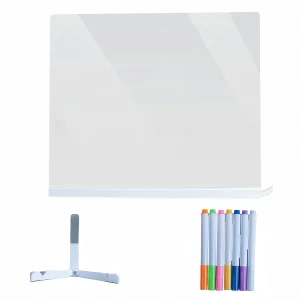

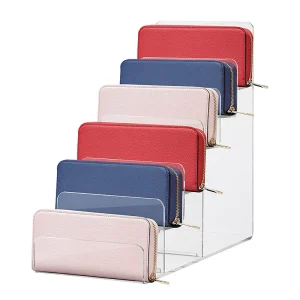
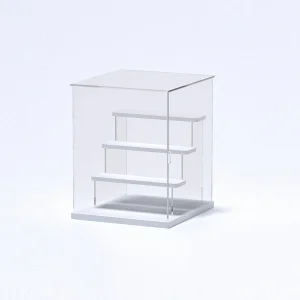
How direct-to-factory polymethyl methacrylate (PMMA) engineering eliminates distributor markup, improves food preservation hygiene, and delivers unmatched merchandising performance.
In high-volume commercial bakery procurement, "cheap" does not mean compromising material integrity with low-grade, recycled styrene or brittle polystyrenes. True industrial cost reduction stems from Design for Manufacturability (DFM). By calibrating nesting patterns via five-axis automated CNC saws and CO₂ laser cutters, our factory cuts PMMA sheet waste from the industry standard 22% down to under 4.8%.
Global food health agencies (FDA, EFSA, FSA) mandate rigorous bacterial containment standards across all ambient and chilled serving stations. Our pastry cases feature continuous, non-porous PMMA barriers with seamless chemical bonding that prevents airborne droplet transmission (splutter guard protection) and insect ingress, while offering 93% visual light transmission.
Consumer impulse-purchase velocity in bakeries and cafés is directly correlated with visual clarity and glare suppression. High-grade virgin PMMA displays higher refractive indexing than standard soda-lime float glass, banishing the distracting green edge hue and bringing out the natural golden hues of baked goods, croissants, and artisanal patisserie.
A rigorous engineering evaluation of acrylic pastry displays in comparison to polycarbonate, tempered glass, and competitive commercial polymers under actual foodservice operating conditions.
The global PMMA supply chain is intimately linked to methyl methacrylate (MMA) feedstocks. Traditional retail equipment distributors layer on an average 60% to 140% margin between Asian manufacturing plants and Western commercial bakeries. By purchasing direct from our Zhenjiang, Jiangsu manufacturing facility, multi-unit bakery franchises and wholesale equipment suppliers bypass intermediate warehouse markups.
Furthermore, our integrated inventory reserves of cast and extruded virgin monomer sheets stabilize purchasing prices against petrochemical market fluctuations, allowing us to lock in unit prices for 12-month rolling contracts.
Countertop pastry vitrines face challenging thermal gradients: ambient humidity exterior vs. dry interior heated by internal bakery lighting, or vice versa in chilled deli setups. Low-cost extruded plastics often suffer from bowing or crazing under repeated thermal cycling. Our production utilizes high-molecular-weight cast PMMA sheets that maintain flexural stability from -30°C to +80°C.
This guarantees that rear sliding doors and magnetic flip doors operate without binding or jamming, even after years of daily commercial operation in high-traffic foodservice environments.
| Material Specification | Cast PMMA (Our Pastry Cases) | Extruded PMMA (Standard Grade) | Polycarbonate (PC) | Tempered Soda-Lime Glass |
|---|---|---|---|---|
| Optical Light Transmission | 92.8% (Crystal Clear) | 91.5% - 92.0% | 86.0% - 89.0% (Slight tint) | 88.0% - 90.0% (Green tint edge) |
| Impact Resistance (Izod) | 18 - 22 kJ/m² | 14 - 17 kJ/m² | 60 - 80 kJ/m² (Extremely high) | Low (Catastrophic shattering) |
| Scratch & Abrasion Resistance | High (Surface treatable) | Moderate | Low (Easily marred by tongs) | Very High |
| Chemical / Cleaning Resistance | Resistant to sanitizers | Sensitive to alcohol/solvents | Prone to stress cracking | Inert |
| Weight / Density (g/cm³) | 1.19 (Ultra lightweight) | 1.19 | 1.20 | 2.52 (2.1x heavier than PMMA) |
| Direct Manufacturing Cost | Optimal Balanced ROI | Lowest upfront initial cost | High raw material premium | High tooling & transport cost |
Ensuring your commercial food display equipment passes local health inspector audits, import port inspections, and strict commercial hospitality regulations across all key regional territories.
Food display enclosures operating within North America must satisfy strict requirements preventing toxic chemical migration into edible goods. Our acrylic pastry cases are manufactured exclusively from certified food-grade PMMA compliant with FDA 21 CFR 177.1010 (acrylic and modified acrylic plastics, semirigid and rigid).
Our cases are engineered to conform to the sanitation guidelines of NSF/ANSI Standard 2 for food equipment, featuring smooth radii, food-safe adhesive welding, and surfaces impervious to bacterial penetration.
For buyers across the European Union and the United Kingdom, products comply with Regulation (EC) No 1935/2004 on materials intended to come into contact with food, and Commission Regulation (EU) No 10/2011 on plastic materials.
Our raw PMMA resins undergo rigorous Overall Migration Limits (OML) and Specific Migration Limits (SML) testing, verified by independent third-party inspection firms (SGS, TÜV, and Intertek) to meet German LFGB and French DGCCRF standards.
Fragile acrylic items can easily suffer scratches or fracture during long-distance intermodal ocean freight. To prevent damage, our export packaging is certified to ISTA 3A drop test protocols. Every individual pastry cabinet is protected with dual-sided protective polyethylene film, fitted within custom EPE (expanded polyethylene) molded foam corner blocks, and housed in heavy-duty 5-ply corrugated cartons reinforced with corner-board crating.
For LCL or airfreight orders, custom plywood skids guarantee zero freight damage upon port arrival.
Discover how custom acrylic pastry cabinets drive operational efficiency, product freshness, and revenue growth across varied commercial hospitality and retail environments.
High-end bakeries demand multi-tiered pastry display cases that elevate the artistry of delicate croissants, pain au chocolat, and macarons. Our custom stepped-riser cases maximize display density without cluttering counter footprints.
High-volume C-store chains (similar to 7-Eleven, Lawson, and gas station marts) prioritize robust durability, anti-theft design, and frictionless self-service accessibility. Our curved-front self-serve pastry stations handle hundreds of door actuations daily.
Luxury hotel breakfast bars and corporate catering operations need portable, lightweight sneeze guards and pastry cases that can be quickly moved, sanitized, and stored flat between service sessions.
Large grocery retailers require high-capacity, multi-bin pastry cabinets capable of presenting dozens of bagels, muffins, and artisan rolls while complying with local health department dust-cover ordinances.
Pioneering smart bakery display fixtures through advanced anti-fog nanotechnology, smart freshness monitoring, and circular PMMA sustainability.
Hot, freshly baked pastries often emit steam that condenses onto case interiors, creating unsightly fog that obscures merchandise and wets pastry crusts. Our engineering lab is rolling out factory-applied hydrophilic nano-coatings that reduce water droplet contact angles to under 10 degrees. Water forms an imperceptible, ultra-thin sheet instead of scattering droplets, preserving 100% optical transparency even when warm croissants are loaded immediately from the oven.
In partnership with food-tech innovators, we are prototyping integrated IoT sensor pockets in our acrylic pastry display cases. These discrete, CNC-machined recesses accommodate micro BLE (Bluetooth Low Energy) transmitters that continuously stream internal temperature, relative humidity, and door-opening frequency to store managers' tablets. Bakeries can monitor real-time shelf-life decay curves and ensure pastries are kept at optimal crispness without manual logging.
Commercial sustainability mandates are sweeping the retail and hospitality sectors. Our factory is an early adopter of depolymerized recycled PMMA (rMMA) sheet stocks derived from chemical recycling. Unlike mechanically degraded plastics that turn yellow, chemically depolymerized MMA retains 99.5% monomer purity with identical optical brilliance and FDA food safety profiles, slashing embedded cradle-to-gate carbon emissions by up to 70%.
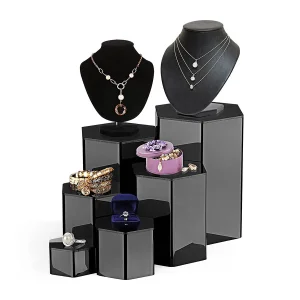
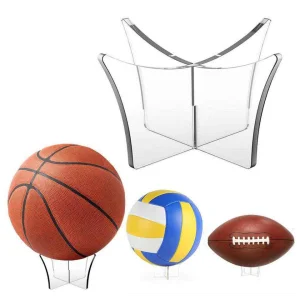
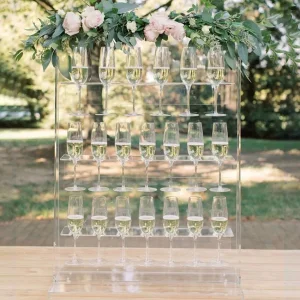
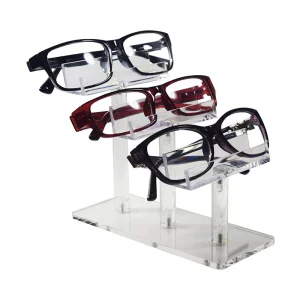
Explore our full line of acrylic cases, event displays, retail risers, and branded acrylic fixtures manufactured to your exact engineering drawings and specifications.
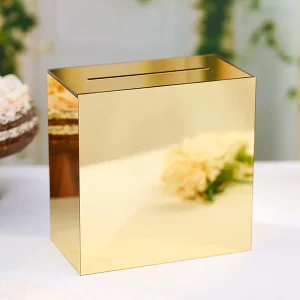
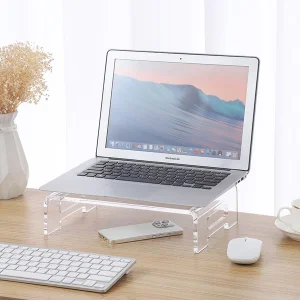


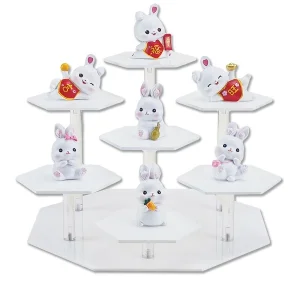
Key technical, regulatory, and logistics answers for procurement managers, café chains, and commercial foodservice distributors.
Our pricing advantage comes from structural manufacturing efficiencies rather than substandard materials. As an integrated OEM factory operating since 2010 in Danyang, Jiangsu, we purchase virgin MMA monomer resins in bulk, directly extrude and cast our own sheet inventory, and cut parts with automated CNC and CO₂ laser arrays. By minimizing waste to under 5%, utilizing automated heat-bending to cut assembly hours, and shipping flat-pack designs directly to overseas ports, we eliminate the 60-140% middleman markups typical of local trading houses.
Yes. Every display unit intended for direct or indirect food presentation is manufactured from virgin acrylic polymer compliant with FDA 21 CFR 177.1010 and EU Regulation (EC) No 1935/2004. We strictly avoid recycled scrap acrylic (which often contains unreacted monomers, volatile residues, and heavy metals). Independent migration and chemical leaching test reports from SGS or TÜV are provided with every bulk commercial order.
Acrylic (PMMA) should never be cleaned with alcohol-based solutions, ammonia, or commercial glass cleaners (such as Windex), as these cause micro-crazing and hazing over time. We recommend wiping surfaces with a soft microfiber cloth dampened with warm water and a mild dishwashing detergent (pH 7-8). For commercial sanitation, utilize quaternary ammonium-based non-alcohol sanitizers certified safe for PMMA surfaces.
Absolutely. OEM and ODM customization is our core competency. You can specify exact case dimensions (counter width, depth, height), shelf spacing, rear sliding vs. front lifting doors, and integrated crumb collection drawers. We provide precision laser engraving, high-resolution scratch-resistant UV printing, and custom silk-screening directly on panels or bases to seamlessly match your corporate franchise branding.
For standard base models, our sample lead time is 3 to 5 business days, while custom engineered prototypes typically require 5 to 7 days following CAD approval. Bulk production MOQ begins as low as 50 to 100 units for standard countertop vitrines, with containerized orders (20GP / 40HQ) receiving optimized freight nesting and volume tier discounts.